
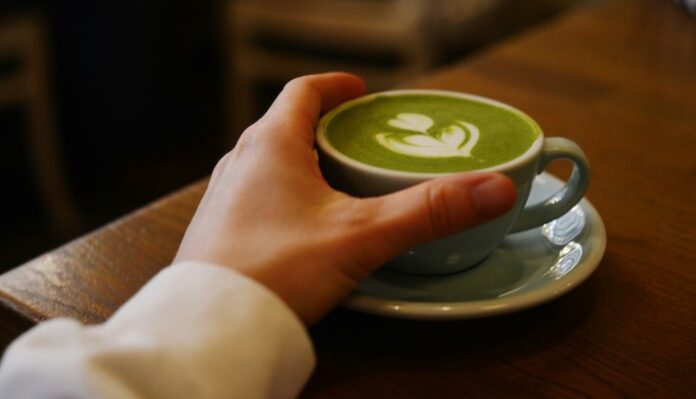
Matcha has taken the world by storm. Over the past year, the bright green drink has appeared on more cafe menus than ever and dominated social media feeds. But beyond the hype, matcha is likely here to stay. Due to its promising benefits, it has become a serious competitor to coffee.
If you’re thinking about making the switch, here are four factors to consider when comparing matcha and coffee.
1. Preparation and Flavor
Matcha is a powdered green tea that dates back to the 12th century, where people traditionally used it in Japanese tea ceremonies. It is made from finely ground shade-grown tea leaves, which means you consume the entire leaf rather than just an infusion. To make coffee, on the other hand, you must brew it from roasted beans.
Both coffee and matcha have a bitter taste, but their flavor profiles differ. Coffee tastes bold and rich, typically with roasted, nutty or chocolaty notes. In contrast, matcha tastes more earthy and grassy. High-quality matcha usually has a strong umami flavor and a hint of natural sweetness.
2. Caffeine and Energy
A 1-ounce serving of espresso usually contains about 65 mg of caffeine. Matcha has roughly 38-88 mg of caffeine per 2-gram serving. The caffeine content in matcha can vary significantly depending on the variety of matcha, how much powder you use, and how you prepare it.
Although both drinks provide energy-lifting benefits, they do so in different ways. Your body absorbs caffeine quickly, and it delivers an almost immediate energy lift by blocking adenosine receptors in the brain, reducing feelings of sleepiness. This increases dopamine and norepinephrine levels, so you may notice an improvement in focus, mood and energy as soon as you have your morning coffee.
The energy boost in matcha tends to be slower and steadier because it contains L-theanine, an amino acid that may help reduce stress and promote calm focus. When combined with caffeine, it can lead to increased attention and less jitteriness than some people experience with coffee.
3. Teeth and Oral Health
If you drink coffee regularly, you’ve probably noticed how easily it can cause teeth discoloration. Regularly having dark, deeply colored drinks can stain your teeth. As enamel naturally wears down with age, those stains can become harder to ignore.
Matcha is also colored and contains tannins that can stain your teeth. However, matcha may actually support oral health, as research suggests that drinking it can improve gum health in people with early-stage gingivitis.
4. Other Health Benefits
Matcha may help slow weight gain, improve blood sugar and cholesterol levels, and reduce inflammation. Coffee also offers health benefits, including a lower risk of liver disease, gallstones, and chronic kidney disease. Moreover, some research has associated coffee consumption with a reduced risk of colon cancer in women.
Keep in mind that these benefits depend on moderation and overall lifestyle. Loading either drink with excessive sugar, syrups, or heavy cream can quickly cancel out the positives.
So, Should You Make the Switch?
It ultimately comes down to you. Coffee and matcha both have caffeine that can boost your energy. If you enjoy coffee and feel good drinking it, you may not have a reason to stop. However, if you’re looking for steadier energy or a calmer start to the day, matcha may be worth trying.
Before you make the switch, consider your routine, taste preferences and how you want to feel in the morning. For many people, the answer isn’t choosing one over the other, but making room for both.



















This was such a balanced and helpful comparison between matcha and coffee! I really appreciated how you explained the energy differences — especially the steady focus from matcha versus the quicker boost from coffee. It’s interesting how personal preference, lifestyle, and even tolerance levels play such a big role in choosing between the two. In the broader beverage space, we’re also seeing more variety beyond just coffee — from matcha-based drinks to dessert-style options and customizable shakes. Consumers definitely have more choices than ever. Great breakdown of the pros and cons!
I really love matcha. It is so tasty.
This was a really relatable read because I feel like more people now are choosing drinks based on how they actually feel afterward, not just taste alone. I used to rely heavily on coffee, but lately I’ve been switching between coffee and matcha depending on the day. Matcha definitely feels smoother for long work sessions while coffee gives that quick energy boost.
Funny enough, this even changed how I order fast food lunches. When I grab something from the Cookout menu, I usually pair lighter items like grilled chicken or smaller trays with matcha instead of sugary drinks because it keeps the whole meal feeling less heavy. It’s interesting how wellness trends are slowly influencing even comfort food habits now.
This is a really balanced comparison. Both matcha and coffee have their own strengths depending on what you’re looking for. Matcha tends to provide a smoother, more gradual energy boost, while coffee is often the go-to choice for people who want a quicker pick-me up and a richer flavor profile. I think personal preference, lifestyle, and even the time of day play a big role in deciding which one works best. It’s also interesting how many people enjoy switching between the two rather than choosing one exclusively. For anyone who enjoys exploring different drink options and flavor combinations, I’ve found some great inspiration through specialty drinks, where there are plenty of choices for both coffee lovers and those looking for something a little different. Overall, there’s no single winner here it really comes down to what fits your taste and routine.