Society often unfairly and inaccurately attributes women’s achievements, ideas, and inventions to men. In this three-part series, we’ll cover three women who changed society, saved lives, and invented tools and processes that we commonly use today. Here are three women who changed the world in December:
Dec. 7, 1941 – Capt. Annie Fox
Major Annie Gayton Fox was born Aug. 4, 1893, in Pubnico, Nova Scotia. She became a US officer under the Army Nurse Corps. Capt. Annie served in both World Wars and worked nonstop during the Pearl Harbor bombing to care for the victims.
Capt. Annie witnessed extreme amounts of death. On October 26, 1942, her efforts were rewarded with a Purple Heart, an award typically given to those wounded or killed in military service.
Capt. Annie Fox was the first woman ever to earn a Purple Heart. Her achievement is rare because people can now earn the Purple Heart only if they were harmed or killed in war. However, at the time, Capt. Annie earned her Purple Heart for performing extraordinary acts and providing vital services during war. The award was for extraordinary acts and vital services during war.
Dec. 14, 1985 – Wilma Mankiller
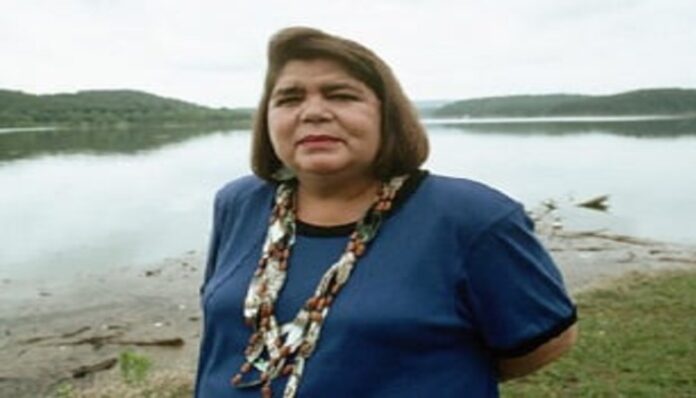
Born on Nov. 18, 1945, in Tahlequah, Oklahoma, Wilma Mankiller, a Cherokee Nation Native American, grew up in a rural community and moved to San Francisco at age 11. In a 1993 New York Times interview, she described the move as “[her] own little Trail of Tears,” referencing the forced removal of Native Americans from the southeastern US to Oklahoma due to the Indian Removal Act of 1830.
In 1969, American Indians exposed the terrible treatment of their fellow Native Americans at Alcatraz in San Francisco, California. This event spurred Wilma to restore pride to Native American youth and pursue legal battles for tribal welfare and rights. She believed in providing a safer workplace for future generations of Native Americans, stating, “In Iroquois society, leaders are encouraged to remember seven generations in the past and consider seven generations in the future when making decisions that affect the people.”
Wilma helped American Indian families with access to water, employment, and collective morale. On December 14, 1985, she became the Cherokee Nation’s Principal Chief, becoming the first woman elected chief of any tribal government. She held the position for 10 years.
Her work as chief led to improvements in education, environmental protection, infant mortality rates, and the protection and preservation of the Cherokee Nation’s customs, traditions, legalities, and budgets.
To date, Mankiller is affiliated with 13 causes.
Dec. 13, 1993 – Susan A. Maxman
Born in Ohio on Dec. 30, 1938, Susan A. Maxman is an American architect. In 1985, she founded an architecture firm called Susan Maxman Architects. In December 1993, she became the first woman president of the American Institute of Architects (AIA). During her presidency of the organization, she prioritized ecological ethics.
After Maxwell founded the environmental committee for the Urban Land Institute, former president Barack Obama presented Maxwell to the board of the National Institute of Building Sciences, the nation’s primary authority for building standards.
Susan helped pave the way for women in a male-dominant field. She became a face and voice for women in architecture. Her achievements as a professional and her focus on uplifting fellow women in the field were vital for women architects.
Influential women are everywhere, and these groundbreaking women who made history in December are just a few of many who deserve more recognition. We’ll cover three more powerful women in January, so stay tuned!
Featured Photo via Google Creative Commons.