
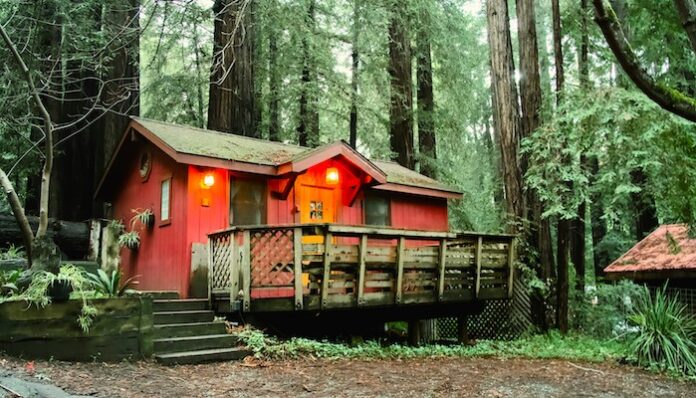
The romantic notion of moving to a house in the woods, with lush, shady pines and deer crossing the road, is exciting! Maybe you have dreams of eventually going off grid. Either way, purchasing a safe, reliable home in the forest isn’t as seamless as it sounds. It involves special costs and concerns.
Here are factors you need to consider before signing a purchase agreement for your cozy getaway.
1. A Trustworthy, Licensed Home Inspector
Locate a reliable, trustworthy professional who can perform a comprehensive home inspection of the house (average $250 – $500). This normally includes the roof, foundation, structure, electrical, plumbing, HVAC, and interior/exterior surfaces. Sometimes, realtors incentivize unscrupulous inspectors to conceal important defects. Normally, these contracts, even those of reputable inspectors, specify that certain features are “outside the scope” of their services, so make sure you find someone reliable to do this for you.
For example, most home inspectors do not include a full fireplace, septic tank, and mold inspections. Usually, a separate licensed or certified specialist performs this. However, they’re critical because of the significant financial outlay you could face if problems occur later.
- Fireplaces: Because of damp, unused flues, built-up creosote, or cracks, active fireplace/chimneys must be inspected and cleaned annually (average $360 – 400). A detailed inspection for a potential homebuyer can cost between $250 – $600, or more than $900 for serious structural issues.
- Septic tanks: Often a necessary feature of woodland properties, repairing or replacing a damaged tank can cost $3,609 – $12,412. An old, broken metal lid will require the replacement of the entire unit. So, getting an initial homebuyer inspection for between $150 – $650 is crucial. Tanks must also be pumped out every 3-5 years ($250 – $600).
- Mold: Slowly evaporating moisture from shade trees, plus humidity, equals mold. Mold hides in crawl spaces, basements, and attics. If you need to remedy it, you could pay between $1,000 – $30,000. Make sure the house has a plastic vapor barrier in the crawl space and crawl space vents that open for summer and close for winter. A mold inspection, properly testing by a certified mold specialist, ranges from $300 – $650.
2. Property Insurance Premiums
Woodland home premiums can cost more than regular home premiums. If you rent your home out as an Airbnb, you’ll need short term insurance at a 20-50% higher rate than average.
3. Electrical Panel
Check the electrical panel. While older houses may be set to run on 100 amps, modern homes, using multiple appliances simultaneously, usually run on 200 amps better. An optional upgrade typically costs $1,500 – $3,500.
4. Insulation
An independent insulation contractor, charging from $100 – $300, can determine if the insulation meets the currently recommended level. Outdated insulation causes higher electricity bills, but some energy providers offer free insulation replacement.
5. Grounds
Grounds include the following items:
- Trees: Dead trees could eventually fall over, posing a risk to power lines and the roof. Additionally, ice storms can dislodge mature trees or large limbs hanging over a house. Having to fully remove a dangerous tree can cost $200 – $2,000. For large trees, that cost could go up to $3,000. Branch trimming costs vary from $50 – 1,700, while city tree-cutting permits range from $25 – $300.
- Vines and Shrubs: While charming, vines destroy siding and attract bugs that can work themselves into the house. And shrubs planted too close to the wall can attract excess moisture and cause mold.
- Pests and Wildlife: You need a regular pest service due to the presence of termites, bugs, spiders, and the likes. Even mice, squirrels, rats, or bats can enter the attic. An initial pest inspection averages $100 – $500, but a yearly service agreement averages $300 – $900 per year. If the yearly contract includes termite services, the bundled arrangement can cost $500 – $800; ongoing monthly payments could be involved, depending on the service level. Otherwise, a separate termite service and protection plan can cost between $400 – $1,500 a year.
6. A Level House
If the floor has any serious tilts, having to have the house lifted up later could cost a small fortune. To test the levelness of a house, simply roll a tennis ball across the floor.
Living in the woods can be wonderful but costly.
As mentioned above, it can generate high expenses over time. Fortunately, having basic inspections can significantly prevent greater expense later on. With an output of roughly $2,000 to $3,000 for these, you can purchase your dream home in the woods with confidence!
Photo by Fabio Sasso on Unsplash


















Buying a house in the woods does sound dreamy, but as you point out, there are a lot of practical things to think about before taking the plunge. One thing I’d add is that whether you’re parking your car after a long day of exploring or setting up a weekend getaway, having reliable amenities like good access and organized spaces right outside your property matters too – like this window tinting setup here can show – small, practical comforts make a big difference.
Living in the woods can be peaceful, but it definitely comes with extra things to think about like road access, drainage, and long-term maintenance. I also think checking local property details beforehand is a smart move, especially through Cherokee Property Tax when researching land and ownership information. A lot of buyers focus only on the house itself and forget about the surrounding environment. Really helpful post with practical advice for future homeowners.
Buying a home in wooded areas definitely requires more than just checking the scenery. Beyond land conditions and utilities, understanding legal records can save a lot of trouble, especially through resources like Fresno Court Access when reviewing property-related information. Zoning rules, access roads, and environmental restrictions often make a big difference in long-term ownership. A careful review upfront helps avoid unexpected costs and legal complications later.
Buying a house in a wooded area requires careful attention to access roads, utility availability, and long-term maintenance challenges such as tree overgrowth and wildlife activity. It’s also important to verify property history, zoning restrictions, and any legal filings before making a decision, especially in rural or semi-rural settings. For added due diligence on property-related records and public information, you may find resources like Virginia County Court helpful for understanding available documentation. Always arrange a thorough inspection covering septic systems, water sources, drainage, and internet connectivity since these can vary significantly in forested locations. Careful planning upfront can help avoid unexpected costs and ensure the property fits both lifestyle and safety needs.
A woodland home can offer amazing privacy and scenery, but buyers really need to think about things like utility access, fire risks, and ongoing upkeep before making the move. It’s also wise to understand local regulations and public records connected to property matters. I’ve found resources such as St Louis Jurors helpful for learning more about related legal information in the area. This was a thoughtful post with practical advice that future homeowners can genuinely benefit from.
Living near wooded areas can be beautiful because of the privacy, scenery, and connection to nature, but it’s also smart to think about practical maintenance before buying a home. Areas surrounded by trees and wildlife can sometimes increase the chances of unwanted visitors finding their way into garages, attics, or small entry points around the house. Planning ahead can prevent bigger issues later. I recently looked at https://360rodentcontrol.com/rodent-proofing-los-angeles/ and liked the focus on preventative rodent-proofing solutions. Thinking about protection early can help homeowners avoid future headaches and keep the property in better condition.
The peace and privacy are definitely appealing, but the hidden costs and practical realities, like maintenance, insurance, and wildlife issues can easily catch buyers off guard. For anyone exploring this idea further, I recently came across another interesting perspective on choosing a home in a forested area that also touches on preparedness and security considerations https://www.astrolocks.com/