
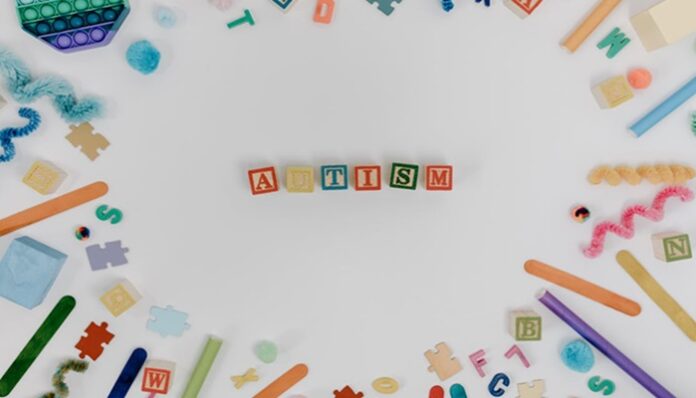
Over the past few days, I heard about a press conference with Donald Trump and RFK Jr. regarding autism and possible causes.
Honestly, I didn’t watch it; I had no interest in watching it. The news lately feels heavy, even frightening, and I’ve learned that sometimes tuning out is the only way to protect my peace. As someone who has an older, autistic brother, I didn’t want to stress myself with whatever theories or “discoveries” they might state.
Still, I caught the headlines. I heard that one of the claims was a possible link between autism and Tylenol use during pregnancy. I don’t know how much truth is in that – frankly, I don’t think it’s that simple. Autism is complex, and I believe it’s the result of many different factors, not something you can just pin down neatly.
But there was one thing that did make it through to me — a comment from the president himself that made my stomach drop: “Autism is such a tremendous horror show.”
When I read those words, I wanted to throw my phone across the room. Autism is a horror show? Did we really just say that?
I’ve lived my entire life alongside autistic people. My brother was diagnosed before I was even old enough to understand what that meant. From the day I was born, I’ve been involved in the autistic and disability communities. I became an advocate by default, and later a special education teacher, because I wanted to support individuals like my brother.
And let me tell you: autism is not a “horror show.”
Autism is a spectrum. That means no two autistic people are the same. Some individuals, like Tanner from “Love on the Spectrum,” are articulate, funny, and open about their journey. Others may be more like my brother, who is nonspeaking, or like the students I’ve taught, who sometimes struggle with communication and may express frustration through behaviors like biting, hitting, or meltdowns.
But here’s the truth: regardless of where someone falls on the spectrum, they all want the same thing. To be understood, communicate their wants and needs, and be seen as a whole person.
Over the past 8 years in the classroom setting, I’ve worked with countless autistic individuals and others with disabilities. And I can say with confidence: you have not learned unconditional love until you’ve been part of this community. My brother, for example, is the kindest, most intelligent, most loving person I know. He is the light of my life, teaching me patience, empathy, and compassion in ways I can’t even begin to measure.
If it weren’t for my brother, I would not be the person I am today.
He has shown me that it’s okay to be yourself, even if that means dancing in the grocery store when your favorite song plays on the loudspeaker. He’s taught me that love doesn’t always need words — that sometimes it’s in a smile, gesture, or simply presence. He’s taught me joy in the most minor things. He is my best friend, and his autism has only deepened our bond.
So when I hear the leader of our country call autism a “horror show,” I don’t just disagree — I take it personally because my brother is not a horror show. My students are not horror shows. The people I’ve met and loved in the disability community are not horror shows. They are human beings, and they deserve respect, dignity, and compassion.
Yes, there are challenges autistic people face. Yes, there are struggles. But calling autism a “horror show” dehumanizes people. It frames them as burdens rather than loved ones. And that’s not only wrong — it’s dangerous.
To anyone autistic reading this, or who loves someone autistic: you are not a burden. You are not broken. And you are not a horror show.
Nobody is perfect. No two people are the same. Everyone has their own unique way of thinking, communicating, and navigating the world. Instead of labeling autism as something terrifying, we should be asking: how can we better support autistic people? How can we adapt, uplift? Suppose research one day finds a cause for autism; that would be wonderful. Let us utilize it to help families, provide resources, and foster greater understanding. But don’t use it to diminish or insult the people who are already here, living, loving, and contributing in ways that often go unseen.
Behind every diagnosis is someone’s son, daughter, brother, sister, friend, or student. Someone deeply loved, someone who matters.
So don’t tell me my brother is a horror show because he is my hero.
Featured image via Tara Winstead on Pexels















Thank you for this. I’m autistic, and I’ve felt very scared and defeated these past few days, not just because of the speech itself, but because it felt like a confirmation that so many people over the years, who have treated me like I’m disgusting or less, were right. Sometimes I’ve allowed myself to be treated that way because, with the way culture has shifted over the past few years, it feels dangerous or stupid to expect better. Although one article won’t undo those years, or the problems in this country, there are people who will listen to you and hopefully think more about what this means for us.