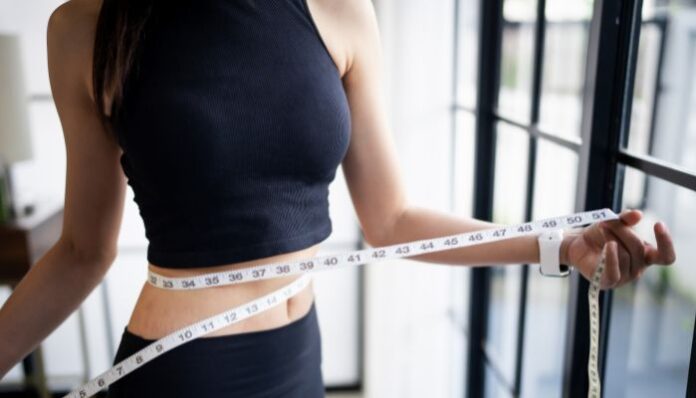
The compliments started before anything else did. Before the fatigue. Before the hair thinning. Before the strange, obsessive math you started doing in your head at every meal. People noticed you looked smaller, so they smiled a little longer, hugged you a little tighter, asked what your secret was like, it was a job well done. You felt seen. You felt successful. But somewhere along the line, the praise became pressure, and the habits became chains.
When weight loss becomes more than a goal and slips into the role of identity, it can be surprisingly hard to notice. Especially when the world rewards it at every turn. Women are taught early that thinner means better, and once you get a taste of that approval, it can feel impossible to let go of—even if it’s slowly hollowing you out from the inside.
The “Good Girl” Trap That Fuels Disordered Eating
A lot of women don’t develop eating disorders out of vanity. That’s the story we’ve been told for decades, but it doesn’t track with the truth for most of us. The roots are often tangled up in perfectionism, pressure to be “good,” or to feel in control when life doesn’t make sense.
Weight loss becomes a stand-in for all the things you wish you felt more of. Proud. Loved. Enough. It gives you something concrete to point to—something you can achieve and measure and master. At first, it feels like power. But it doesn’t take long before it feels like a prison. You begin to measure your worth by how “disciplined” you were that day or whether your body looks smaller in your clothes. You skip meals because you’re too scared not to. You start declining dinner invitations, not because you’re busy, but because you can’t bear the idea of giving up control.
Some of the most deeply embedded eating disorders look like willpower to the outside world. That’s the most frustrating part. The people around you might praise the very behavior that’s making you sick.
When Your Personality Starts Revolving Around What You Don’t Eat
At a certain point, weight loss stops being something you’re doing—it starts becoming who you are. If you’re not the woman who eats clean, who avoids carbs, who tracks everything, then who are you? It’s terrifying to imagine life outside that identity because you’ve poured so much of your self-esteem into keeping it up.
And when you start to question the whole thing, that voice in your head doesn’t let up. It tells you you’ll be nothing without this. That your control is what makes you lovable. That hunger is proof you’re doing something right.
It’s a strange thing to feel so afraid of letting go of behaviors that are actively ruining your life. But the fear makes sense when you remember how much of your identity has gotten braided into them. This is how eating disorders trap you. They whisper that without them, you won’t have anything left.
They also often come wrapped in layers of achievement. You hit a weight goal and suddenly people start asking for your advice. You get labeled the “fit one,” the “disciplined one.” So what happens when you’re tired of it? What happens when you want your brain back, when you want your life back, but people around you still expect you to be that girl?
No one warns you how hard it is to grieve a version of yourself that people admired—even when that version was slowly killing you.
The Physical Toll Is Real, But We Keep Minimizing It
The emotional side of eating disorders gets a lot of airtime now, but the physical stuff still gets brushed off. Maybe because so many of us have symptoms that aren’t “bad enough” to qualify as medical emergencies, so we push through them. But the truth is, the body notices long before you admit it.
You’re tired all the time, even when you’ve slept enough. Your hair seems thinner, your skin doesn’t glow anymore, and your hormones go haywire. You might stop getting your period, or you get it so irregularly you stop paying attention. And yet, you keep going, because something in you still says: thinner is better. That voice isn’t yours. It’s inherited from a culture obsessed with control, and it sneaks into everything—even your health.
We rarely talk about how hard it is to be a woman trying to recover from disordered eating in a world that won’t shut up about “clean eating” and “wellness.” It’s exhausting. You don’t get to just opt out of the noise. You have to battle it every single day while trying to hear your own body’s voice under the static.
And we especially don’t talk about women’s health conditions we don’t talk about enough, like how ongoing restrictive eating can affect fertility or leave you with gut issues that linger long after you’ve started eating normally again. We brush it off. We minimize it. We call it “just a phase.” But your body remembers everything.
The Turning Point Isn’t a Big Aha Moment—It’s a Series of Quiet Decisions
Recovery doesn’t show up like a miracle. It creeps in quietly, like a whisper saying, “You can stop now.” Maybe it starts with you eating something forbidden without punishing yourself afterward. Maybe it’s you canceling your calorie-counting app. Maybe it’s just letting yourself rest without earning it.
But there comes a point where you realize the weight you thought you had to lose was never the weight that was hurting you. It was the fear. The obsession. The lie that you were only worthy if you were shrinking.
And the wildest part is, you don’t have to do it alone. There’s an entire world of recovery that exists outside the vacuum you’ve been stuck in. Some women find it through therapy. Some through group support. And others through specialized spaces where healing is designed specifically for the mental, emotional, and physical layers wrapped around eating disorders.
A women’s treatment center isn’t a scary hospital setting where you lose control over your life. The best ones are warm, human places filled with people who get it. People who’ve been there. People who can help you remember what it feels like to live in a body that belongs to you again. These places aren’t about forcing change. They’re about gently helping you reclaim what you already have: a body that deserves to be nourished, not punished.
Recovery Isn’t About Letting Yourself Go—It’s About Finally Letting Yourself Be
The hardest part is believing that who you are is enough, even when you’re not chasing a goal. Even when you’re not trying to disappear. But somewhere inside you, that belief still flickers. It’s in the way you keep showing up for yourself, even in tiny ways. It’s in the quiet moments where you wish things could be different.
Let that be your start. Let that be your sign that this version of you—the one who wants more, who wants freedom—is already in there. You just have to let her out.
Feature Image from Canva.