
I’m sure you’ve heard someone mention something negative about those who died by suicide or an overdose.
There’s so much judgment laced into these conversations. The victim is blamed, and some people believe these people’s souls go somewhere dark and torturous because they took their own lives. But that’s what society wants us to think to scare people into living.
Don’t get me wrong, living is always the goal, and I do not condone hurting yourself in any way. But I believe this fear-mongering has a touch of manipulation between the words.
In reality, if someone goes so far as to end their life (or attempt to), that person is suffering immensely, and they need and deserve more help. They shouldn’t be blamed or shamed for acting rashly out of desperation. Their souls need love, too — maybe even more!
My experience with two near-death experiences showed me that mental illness is not more shameful than physical illnesses. And we all die and go back to the collection of souls.
The afterlife is welcoming of all souls. It’s peaceful, relaxing, flowing, comfortable, and light-filled. Love and joy are the only emotions present.
Dying from cancer doesn’t mean your soul is better than that of the person who died of suicide. The lives that we lead mean more than the cause of our deaths. The body will eventually die of something. It’s inevitable.
Even the meanest people’s souls go to the light for healing. What matters isn’t how you die but how you lived and how you made people feel.
The afterlife has no exclusive tickets. Everyone is washed of their sins and welcomed to the loving light.
Nobody should be blamed for their struggles, no matter what. Nobody wakes up and decides to feel so hopeless they take their own life. Depression and addiction are illnesses like diabetes; you may be able to manage them, but they never go away.
If you are struggling with wanting to live, I highly recommend seeking professional help or going straight to the emergency department of your nearest hospital. Everyone deserves help, and nobody should have to suffer alone.
I want to be clear: I am not recommending suicide or overdosing. I’m simply seeing it as yet another life-threatening disease. And society shouldn’t see it as a weakness. It’s time we admit that even the strongest people have to overcome dark depressive episodes sometimes.
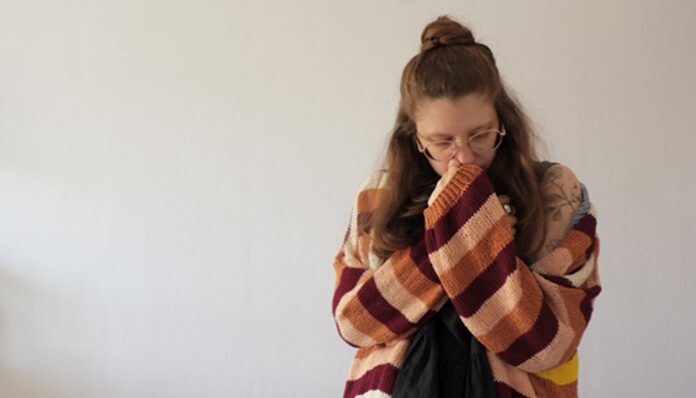
Featured image via Giulia Bertelli on Unsplash



















How can society shift its perspective to view mental illness and struggles with addiction as health issues rather than personal failures deserving blame and shame?
Exploring the connections between suicide, addiction, and the afterlife has profoundly impacted my understanding of mental health. I believe that discussing these topics openly can shed light on the struggles individuals face and the hope that exists beyond suffering. Emphasizing compassion and connection is essential for healing and support.
Instead of seeing mental illness and addiction as individual flaws deserving of blame and shame, how can society change its viewpoint to see these as health issues?
Looking for a supportive environment to continue your recovery journey? Check out The Hope Institute’s https://thehopeinstitutenj.com/programs/sober-living/ for a safe and nurturing space to heal and grow. Visit their website to learn more about how they can help you or your loved ones.
Really moving piece—hits deep. When I need a breather, I sometimes turn to winkapp.su for a bit of distraction. Might help someone else too
This is a really important perspective. It’s so true that people struggling with this stuff need understanding, not judgment. Makes you think about things differently. Glad someone is talking about this!
i like it,I will check ti on poor bunny