For a long time, I had a script ready whenever someone noticed me wincing. “Oh, it’s just my back.” I said it so often that I half believed the pain was a quirk, like being bad at parallel parking, rather than something slowly reshaping my whole life.
It started with a car accident in my mid-twenties. Nothing cinematic. I was stopped at a red light when someone rear-ended me, and at the time it felt like I had gotten lucky. A little sore, a little shaken, but walking and fine. The soreness never fully left. Months later it had settled into my lower back and neck like a tenant who refused to move out, flaring up when I sat too long, slept wrong, or simply existed on a bad day.
I did the responsible things. Physical therapy, which helped until I got busy and stopped going. Stretching routines I followed for a week at a time. Heating pads, ergonomic chairs, a new mattress I could not really afford. I lived on ibuprofen, quietly counting how many I had taken in a day and pretending not to notice the number creeping up. My doctor offered something stronger, and I appreciated the option, but the idea of leaning on prescription painkillers long term scared me more than the pain did.
What wore me down was not the pain itself so much as everything it quietly stole. I stopped saying yes to weekend hikes, even turned down a friend’s offer to help her move and felt like a flake. I lay awake at night because I could not find a position that did not ache, then dragged myself through the next day short on sleep and shorter on patience. The pain was not dramatic. It was just always there, a low hum under everything, and I was tired of negotiating with it.
The thing that finally shifted my thinking was a conversation with an old coworker over coffee. She mentioned, casually, that she had been using medical cannabis for a chronic pain issue of her own and that it had given her back some of her evenings. I was surprised, mostly because I had an outdated picture in my head of who used cannabis and why, and it did not include responsible adults managing real medical problems.
But I was curious, and curiosity gets persuasive when you are worn out. I did some reading and learned that in my state, chronic pain was a recognized condition and that I could apply for a marijuana card through a telehealth visit, without sitting in a waiting room or explaining myself to a stranger at a front desk. That last part mattered to me more than I expected. The process was calmer than I anticipated. I talked with a licensed provider over video, answered honest questions about my injury and how the pain affected my daily life, and within a few days I had an answer and a path forward.
I want to be honest, because this is not a miracle story. Cannabis did not undo the accident or fix my back. What it did was take the edge off in the evenings, enough that I could sit through a movie, fall asleep without rehearsing every position, and wake up feeling like a person instead of a problem to be managed. It became one tool among several, alongside the stretching I finally stuck with and the boundaries I learned to set around my own time.
The bigger change was not really about cannabis. It was the moment I stopped calling it “just a bad back” and admitted that living in low-grade pain every day was not something I had to simply accept. Getting that card was less about the relief itself and more about finally taking my own body seriously.
These days the pain still visits, but it no longer runs the place. I go on the hikes. I help friends move (within reason). And when I catch myself reaching for that old script, I remember the version of me lying awake at 3 a.m., bargaining with my own spine, and I let myself off the hook.
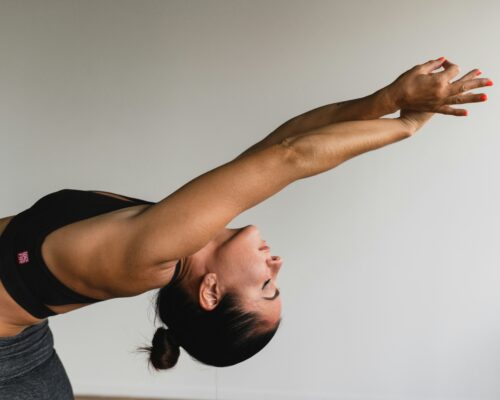
Featured image via Dane Wetton on Unsplash