Throughout history and across cultures, few acts evoke as much fear and moral concern as murder. Although death is a natural part of societal life in many forms, the act of killing by one person causes unique fear and fascination. So, this piece examines the psychological, cultural, and historical reasons behind society’s deep-rooted fear of murderers, encouraging readers to reflect on how media, moral judgment, and social conditioning influence our collective imagination.
1. The Immediate Fear Response
When people learn that someone they just met committed a murder, their automatic reaction often includes tensing up, picturing danger, and feeling discomfort, despite most murders not being random. Research shows that many murders occur during emotional conflicts, domestic fights, robberies with resistance, revenge, or disputes. Only a tiny fraction are from serial killers or predators.
Despite this, society responds as if every murderer has the potential to attack without warning.
2. A Blind Spot: The Killings We Do Not Fear
It’s troubling how society responds differently to death. Sadly, thousands lose their lives due to various preventable causes, such as fake encounters by corrupt police, industrial accidents ignored because safety standards are overlooked, construction companies using subpar equipment, cases of medical negligence, transport and mining companies putting profits above safety, and government failures in disaster management or infrastructure that could often be avoided. These issues highlight the need for greater accountability and compassion throughout all levels of society.
These deaths are real and often preventable, yet society does not fear the business people, officers, or officials responsible in the way it fears an individual murderer.
This shows that fear is less about the loss of life and more about the image of the person who caused it.
3. How Media Shapes the Public Imagination
Serial killers and psychopathic cases often dominate headlines, with crime movies reinforcing the idea that a murderer is a lurking predator. These rare, dramatic stories become mental templates. However, society seldom hears about the more common pattern where: the killing occurs in a single heated moment, the individual has no prior or subsequent violent record, and the chance of reoffending is very low.
Media inflates unpredictability, and the brain absorbs that exaggeration.
4. The Moral Dilemma: How One Act Becomes a Permanent Identity
Murder prompts moral confusion. We say people can change, but society refuses to imagine change when the crime is murder. The dilemma is clear: we want to believe in rehabilitation and acknowledge that circumstances matter, yet one act can define a person’s entire identity.
Even if the murder occurred twenty years ago, even if the person has lived peacefully since, the label becomes permanent. Fear connects to the “type of person” we imagine them to be, not the actual risk they pose.
5. How Society Has Been Conditioned to Fear
Much of the fear is not innate but acquired. Modern societies emphasize safety and predictability, with assumptions such as that strangers are harmless, public spaces feel controlled, and violence is considered rare and distant.
The moment someone breaks the rules of this predictable world, the mind reacts strongly.
This conditioning is even stronger in democratic and stable societies where the rule of law is trusted. When someone violates that contract, they become a symbol of chaos, not just a person who committed a crime.
6. How the Past Viewed Killing Very Differently
In earlier centuries, killing was commonly accepted. For example, warriors and soldiers coming back from battle received respect, not fear. Revenge killings were justified as acts of justice. Dueling and clan feuds were cultural traditions. Kings, nobles, and landlords frequently issued orders for executions.
In those worlds, killing was integrated into the social order. Today, in contrast, murder is deeply taboo. The same action that once earned respect now triggers fear.
7. Modern Fear Comes From Unpredictability, Not Statistics
Criminology research shows that murderers tend to have lower reoffense rates than burglars, repeat violent offenders, and habitual criminals in other categories.
Most homicides are situational. Once the situation resolves, the behavior rarely repeats. But the human imagination does not operate on facts. It reacts to possibility, not probability.
8. The Core Reason Society Fears Murderers Today
Our core fear stems from a fragile psychological truth. When someone commits murder, even just once, they have crossed a boundary that most people never even imagine in their darkest thoughts. This leads to: 1. Doubt about their true nature 2. Perception of danger 3. Fear of someone who has broken a profound cultural taboo.
Modern society depends heavily on order. Anyone who has broken that order feels like a threat to the system, even after serving their sentence and rebuilding their life.
Society fears murderers today because murder represents more than death. It represents unpredictability, a collapse of the social contract, and a break from the moral expectations we live within.
Ironically, the world is full of deaths resulting from systemic negligence, corruption, and institutional violence. Yet murderers remain the symbol of fear, not because the risk is higher, but because society has taught itself to see that one act as unnatural, unforgettable, and unforgivable.
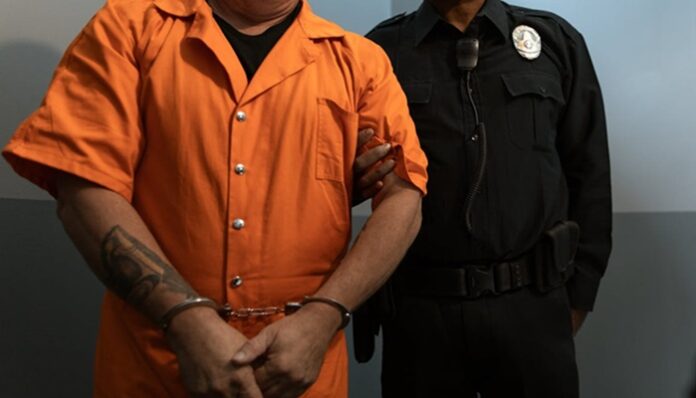
Featured image via RDNE Stock project on Pexels