
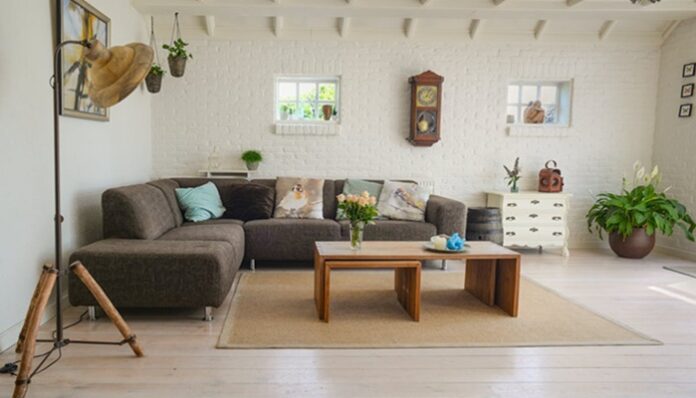
Have you ever looked around your home and felt something was still missing? That feeling kept showing up, even after a few upgrades. At first, I assumed it was a style issue, so I focused on decor. I added new pieces and updated colors, yet the space still felt off. Over time, it became clear the issue was not just visual. Spending more time at home made small flaws impossible to ignore. Spaces needed to function better, not just look polished. That realization changed how I approached every decision. In this blog, I will share how I balanced practicality and style to create spaces that truly support daily living.
Thoughtful Upgrades Made the Biggest Difference
The most noticeable changes came from spaces used several times a day. These areas made it easier to identify what needed improvement. Working with a reliable bathroom remodeling company helped resolve some of those daily frustrations. The goal was not just a visual refresh but a better overall experience.
Small updates led to meaningful improvements without major disruption. I noticed that better lighting made mornings smoother, so routines felt less rushed. Storage solutions kept surfaces clear and everything more organized. Materials that were easy to maintain added convenience without sacrificing style. These changes felt minor at first, yet their impact became clear over time.
The Influence of Modern Living Trends
Spending more time at home changed how every space was experienced. I started noticing small inefficiencies I had previously ignored. Drafty corners, poor lighting, and awkward layouts began to affect daily routines. At the same time, rising costs made every decision feel more important.
This led to a focus on smaller, practical upgrades rather than major renovations. These changes improved functionality without disrupting daily life too much. Technology also played a role, offering tools that improved comfort and efficiency. However, I found that not every solution needed to be complex to work.
There was also growing awareness of long-term value and sustainability. Choosing durable materials became part of the decision-making process. This approach aligned with a broader shift toward more mindful living. As a result, improvements began to support both current comfort and future needs.
Finding Balance Through Simplicity
One of the most important lessons came from simplifying design choices. Complex layouts often created more problems than they solved. Simpler designs made spaces easier to manage and maintain over time. Neutral tones helped create a calm, adaptable environment.
Storage played a key role in achieving this balance. Hidden solutions reduced clutter while keeping items accessible, making spaces feel more open without sacrificing functionality. This showed that simplicity can enhance both comfort and visual appeal.
I also found it easier to let go of unnecessary features over time. Not every trend needed to be followed or included. Focusing on what worked made decisions more intentional.
Redefining Comfort in Everyday Living
Comfort began to feel different once practicality and style aligned. It was no longer about how a space looked at first glance. Instead, it became about how smoothly it supported daily routines. A well-balanced home reduced friction and made tasks easier to manage.
Small improvements led to noticeable changes in how the home felt overall. I noticed that everyday routines felt smoother and less stressful. Over time, the space felt more supportive and easier to live in.
There is a quiet satisfaction in spaces that simply work without drawing attention. They do not stand out, yet they improve daily life in meaningful ways. That shift redefined what good design means for modern living. It is not about perfection, but about creating a balance that feels natural every day.
Featured image via ClickerHappy on Pexels



















[…] best home improvements share a common thread. They reduce costs, increase comfort, and hold their value over time. Whether […]