The first time water drips from a ceiling, it does not feel dramatic. It feels annoying. You grab a bucket, move a chair, and stand there for a second, wondering how long it’s been happening without you noticing.
Storms have a way of doing that. They don’t always break things right away. Instead, they reveal what was already close to failing. A house that seemed fine the day before can suddenly feel different – not damaged in an obvious way, but unsettled in ways hard to ignore.
What You Notice First After the Storm
After the storm clears, people usually check what they can see. But the real issues are often quieter. Nothing looks serious at first. The house still stands and looks fine. Yet, something feels off. Maybe it’s a faint draft or a strange smell near the ceiling. You can easily ignore these small changes that are easy to ignore – until they become bigger.
When a Small Issue Turns Into a Big One
After a storm, you often have a short window where you can still handle thingshandled simply. You can secure a loose section on the roof, or seal a small leak It feels manageable. But it does‘nt always stay that way. Already-worn materials get pushed a little further. What held up during normal weather may not hold up the next time. The house does not fail all at once. Instead, it wears down in layers.
This is the point when you should reach out to the best roof replacement company immediately. Only a professional roofer can help you ensure your home’s primary defense system is intact and installed correctly. If they use the right materials and install themcorrectly, your home will be able to withstand the harsh weather well.
Storms Expose Patterns, Not Just Damage
One thing that becomes clear over time is that storms do not create entirely new problems. They tend to expose patterns already there. A roof that leaks in one spot after heavy rain was probably vulnerable before. Siding that shifts in strong wind may have been loose for a while. These are not sudden failures; instead, they’re slow ones that finally show themselves.
The Parts of a Home People Forget About
There are parts of a house that rarely get attention until something goes wrong. The roof is one of them. It sits out of sight, so people often to assume it’s fine. Siding works the same way: it looks solid from a distance, so it gets ignored. Windows, especially older ones, may still open and close, which makes them seem functional enough.
But these parts handle most of the stress during a storm – wind, rain, debris, and temperature shifts. They take the impact so the rest of the house does not have to. When they start to weaken, the effects spread inward. Moisture gets in. Air leaks increase. Energy use goes up without a clear reason. These are not dramatic changes, but they add up.
What Storms Actually Teach You
A storm does not just test a house; it shows how well it has held up all along. It becomes clear which parts were maintained and which were overlooked. Storms tell you which systems still do their job and which ones are close to failing. While it’s not always comfortable to see, it is useful.
This also creates a shift in how people think about their home after going through a storm. It stops being just a place to live and starts to feel more like something that needs management. Not in an overwhelming way, but in a way that invites more awareness.
Once everything settles, there’s usually no big moment where the house suddenly feels new again. It’s more gradual than that. You notice small things. A repaired section holds up during the next rain; a space no longer feels drafty; or a roof no longer makes you wonder every time the weather changes. It means the house is doing what it is supposed to do. And, after going through a storm, that tends to feel like enough.
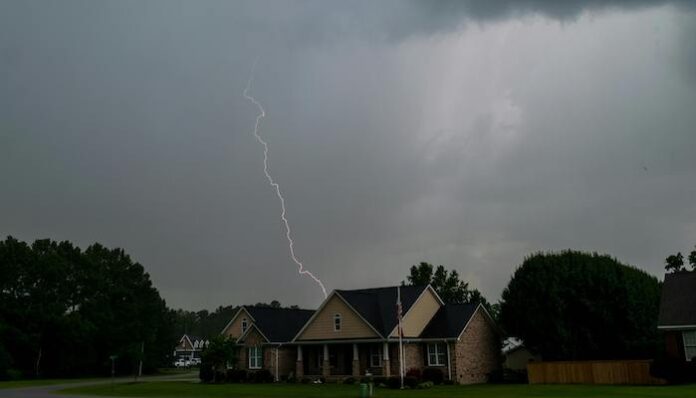
Photo by Lance Stephenson on Pexels