
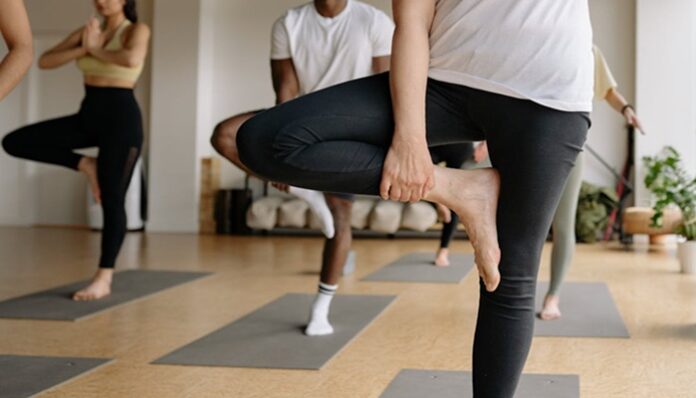
Somewhere along the line, many of us were taught that movement was something we owed our bodies. We were taught to think of it as payment for what we ate, penance for not looking a certain way, proof that we were “working on ourselves.” Exercise became something to earn or deserve, something tied to guilt instead of joy. No wonder it never felt sustainable.
But movement was never meant to be a punishment. At its core, movement is one of the most human things we do. It regulates our mood, grounds our thoughts, relieves stress, and reconnects us with ourselves. It’s a tool for care, not correction.
What if movement wasn’t about a number on the scale, shrinking, sculpting, or “fixing” anything?
What if it was simply about feeling more like you?
When Movement Becomes Medicine for the Mind
Think about the last time you walked outside just to clear your head. Or stretched after a long day and felt your shoulders drop an inch. Or danced in your kitchen because a good song came on. Those moments weren’t punishment…they were relief.
Science backs movement, but our bodies tell the story even better: moving supports our moods by boosting energy, releasing tension, improving sleep, and giving us tiny pockets of accomplishment. Not because we’re forcing ourselves to, but because we’re nurturing ourselves through it.
Movement becomes powerful, not when it’s perfect, but when it’s kind.
Breaking Generational Patterns
For many of us, the pressure to equate movement with weight loss didn’t start with us. We grew up hearing comments about “working off” meals, “getting back on track,” or earning rest only after a grueling exercise. We watched the adults around us talk about their bodies with criticism instead of care.
Those patterns can stick. But they don’t have to stay.
Reframing movement is an act of generational healing. It’s choosing to speak to yourself differently than you were spoken to. It’s modeling something new for anyone who’s watching: kids, friends, coworkers, even your younger self who still lives inside you.
When you move for mood, not for punishment, you quietly rewrite your own script. You show that wellness can be rooted in compassion instead of criticism. You demonstrate that bodies don’t have to be earned, justified, or explained- they’re allowed to exist and be cared for simply.
Let Movement Be an Invitation
This week, try viewing movement as something gentle: an invitation, not a requirement. Let it look like whatever your mind and body can handle- slow stretching, a walk, deep breathing, a few minutes of dancing, or simply taking a break to feel your feet on the ground.
You don’t have to “burn,” “earn,” or “work off” anything.
You just have to show up for yourself in small, meaningful ways.
Movement isn’t punishment.
Its presence.
It’s grounding.
It’s support.
It can be one of the kindest gifts you give yourself, especially when you’re breaking cycles that never served you in the first place.
As the great Elle Woods would say… “Exercise gives you endorphins. Endorphins make you happy. Happy people just don’t shoot their husbands.”
Featured image via Yan Krukau on Pexels


















Sublimation is a psychological mechanism in which people redirect unwanted impulses into constructive and socially acceptable activities. It enables the conversion of negative emotions into creative or productive expressions. In the middle of this idea, Sublimation psychology https://herempowereddivorce.com/ explains how this process helps maintain emotional balance. By channeling inner tension positively, individuals can enhance well-being, strengthen self-control, and achieve healthier personal and social outcomes.
It’s so important to highlight approaches that treat the whole person – mind and body together – rather than focusing only on symptoms. One resource that aligns strongly with this message is https://floridahelps.com/programs/ which highlights programs focused on support, wellness, and improving quality of life through accessible care and community-based services. It’s encouraging to see more attention being given to integrative approaches like this, especially for people dealing with chronic conditions or recovery journeys.