
I didn’t wake up one morning planning to become a small business owner. I just wanted a creative outlet.
At the time, my days felt repetitive. Work, errands, sleep, repeat. I missed making something with my hands. I missed that feeling of turning an idea into something tangible. So I started designing simple graphics in the evenings — quotes I loved, minimalist artwork, little inside jokes that only my friends would understand.
Printing them was another story.
At first, I outsourced everything. It was expensive and slow, and every time I wanted to tweak a color or adjust a design, I had to wait days to see the result. I realized that if I wanted real creative control, I needed to bring production in-house.
That’s when I fell down the rabbit hole of researching DTF printers.
The deeper I looked, the more overwhelmed I felt. There were industrial machines that cost more than a car. There were entry-level models with mixed reviews. I didn’t need something massive — I just needed something dependable, something that wouldn’t intimidate me before I even started.
I eventually chose to begin with the Huedrift One.
What drew me in wasn’t flashy marketing. It was practicality. It handled A3 prints, which was more than enough for t-shirts, tote bags, and hats. It was compact enough to fit into my small workspace without turning my apartment into a factory. Most importantly, it felt manageable.
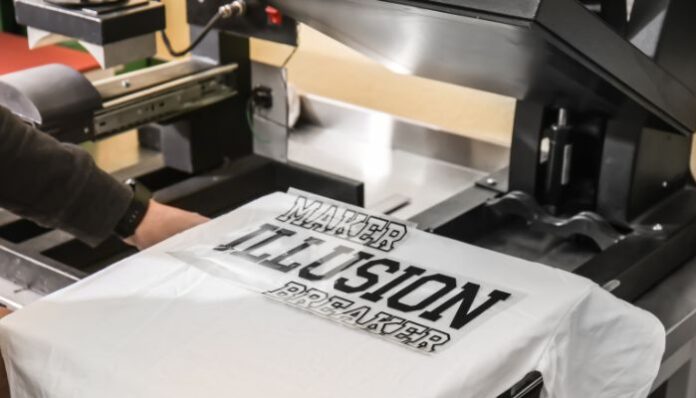
The first time I watched one of my own designs transfer cleanly onto fabric, I felt a kind of quiet pride I hadn’t experienced in a long time. The colors were vibrant, the opacity was strong even on darker shirts, and the adhesion surprised me. It didn’t feel like a fragile hobby print — it felt professional.
Of course, it wasn’t perfect from day one. I had to learn about temperature settings, proper curing, fabric compatibility. There were nights when I stayed up too late troubleshooting alignment or reprinting a batch because I wasn’t satisfied with the finish.
But having access to video tutorials and remote support made the difference. Instead of feeling stuck, I felt guided. Instead of giving up, I kept experimenting.
Slowly, what started as “just a creative hobby” became something more. Friends placed orders. Then friends of friends. Then small local businesses asked if I could print their logos.
That was the moment I realized I needed to think bigger.
As demand increased, I upgraded to the Pro model. The difference wasn’t just about speed — although the faster production time definitely helped. It was about consistency. The advanced ink system delivered richer layering and more durable prints across different fabrics. I could switch between cotton, blends, and other materials without worrying about uneven results.
Workflow also became smoother. The software compatibility and improved print management saved time I didn’t even realize I was losing before. When you’re fulfilling multiple orders in a week, efficiency matters.
What surprised me most was how much my mindset changed along the way. When I started, I was afraid of wasting materials. Afraid of failing. Afraid of investing too much into something uncertain. But each small upgrade felt like a vote of confidence in myself.
Eventually, bulk orders started coming in — event merchandise, group shirts, larger campaigns. That’s when I transitioned to the Pro Max.
The scale difference was undeniable. The wider print area allowed me to experiment with larger graphics and more complex layering. Production speed increased significantly, which meant I could meet deadlines without working through the night. Built-in curing and drying options streamlined the process and reduced the clutter in my workspace.
It didn’t just feel like upgrading a printer. It felt like stepping into a new version of myself — someone who could handle growth without panic.
Across the entire range, a few qualities remained consistent for me:
The color vibrancy stayed strong and bold. Drying times were efficient, keeping production moving. The printers handled more than just basic t-shirts — hats, scarves, bags, and over a dozen different fabric types worked well in my experience. Maintenance was straightforward instead of intimidating. Warranty coverage offered peace of mind during high-volume periods. Flexible payment options made scaling feel realistic rather than reckless.
But beyond the technical features, what truly changed me was the process itself.
Starting small taught me patience. Scaling taught me courage. Handling real customer expectations taught me responsibility.
There’s something deeply grounding about watching your design transfer from film to fabric — about knowing that something that once lived only on your laptop screen is now something someone will wear, gift, or use.
When I think back to the beginning, I realize the equipment was only part of the story. Yes, choosing the right printer mattered. But choosing to start mattered more.
If you’re standing at the edge of an idea — whether it’s apparel printing or any other creative venture — my advice is simple: begin where you are. Choose tools that match your current stage, not your imagined future. Grow into the bigger machines when you’re ready.
For me, that journey began with Huedrift and evolved naturally as my business expanded. What started as an attempt to escape routine turned into something that reshaped my confidence, my creativity, and even my sense of independence.
Sometimes the tools we invest in don’t just improve our output. They quietly shape the direction of our lives.
And sometimes, all it takes is one small decision — one piece of equipment, one late-night experiment, one leap of faith — to change everything.



















For many of us in Business, Economics, or the Social Sciences, the biggest bottleneck isn’t just writing the discussion section—it’s managing the massive datasets that lead to your conclusions. It is a total game-changer to find a reliable partner that offers high-level editorial refinement alongside affordable help with Excel assignments. Whether you are looking for affordable SPSS homework help to validate your statistics or need a clean, professional spreadsheet model to support your thesis, having access to technical experts ensures your final paper is both analytically sound and persuasively written.
I really connected with this – especially the part about how starting small teaches patience and scaling builds courage. It’s easy to underestimate how much mindset matters until you’re actually in it. I’ve seen a similar journey with small businesses in other industries too, like this pawn shop – growth always comes with those same fears and lessons.