
Many students leave school with strong grades yet feel unsure when faced with real decisions. They know how to follow instructions, but they hesitate when no clear answer appears. Parents and teachers often notice this gap. Students succeed on tests but struggle to explain their thinking, adapt to new problems, or hold thoughtful conversations. This gap points to a deeper issue in modern education. Too much focus sits on outcomes and speed. Too little attention goes toward how students think and grow.
A truly liberal education works differently. It does not rush students through material. It trains them to slow down, pay attention, and think clearly. Over time, this approach builds skills that do not fade after graduation. These skills often remain hidden because they develop quietly. They show up in how students reason, speak, and act. This article looks at those less obvious skills and explains why they matter long after school ends.
Learning to think clearly
Clear thinking does not develop automatically in classrooms that move too fast. Many educators feel pressure to cover content quickly, which leaves little time for careful reasoning. As a result, students often complete tasks without understanding how to examine ideas.
Programs like a Masters in Classical Education help educators address this problem at its root. Through sustained study, close reading, and guided discussion, educators strengthen their own thinking first. They learn how to ask better questions and lead meaningful dialogue instead of rushing to answers.
This preparation shapes classroom practice. Teachers design lessons that emphasize reasoning over recall. Students learn how to explain their thinking, evaluate ideas, and develop sound judgment that lasts beyond school.
Confidence in learning new things
Many students fear unfamiliar subjects. They worry about failure or feeling lost. A liberal education reduces this fear. It shows students that struggle is part of learning. When students read hard texts or face open-ended questions, they learn persistence.
Over time, they gain trust in their ability to learn. They know how to approach something new. They ask questions. They seek understanding step by step. This mindset helps in adult life. Careers change. Skills need updating. Students who learned how to learn adapt with less stress.
Communication that feels natural
Strong communication does not come from worksheets. It comes from real use. In a liberal education, students talk, listen, write, and revise often. They practice putting ideas into clear words. Teachers expect clarity, not fancy language.
Students also learn how to listen well. They respond to others instead of waiting to speak. This skill improves discussions and teamwork. Over time, students speak with more ease. They explain ideas without panic. This ability supports leadership, friendships, and work relationships.
Focus in a distracted age
Distraction surrounds students. Screens compete for attention all day. Many students struggle to focus for long periods. A liberal education pushes against this pattern. It asks students to read longer works and stay with one idea.
At first, this feels hard. With practice, focus improves. Students learn patience and attention. They follow arguments from start to finish. This skill carries into daily life. Focus helps with work tasks, listening to others, and finishing what one starts.
Learning to reason about right and wrong
Moral questions do not disappear after school. Students face them in work, family life, and public life. A liberal education gives students the tools needed to think about these questions seriously. They study stories, history, and ideas that raise moral choices.
Instead of being told what to think, students discuss reasons and outcomes. They learn to see consequences. They practice weighing actions carefully. This habit builds responsibility. Students grow more thoughtful about how their choices affect others.
Respectful disagreement and open thinking
Students often meet ideas that differ from their own. A liberal education prepares them for this reality. Through guided discussion, students learn how to disagree without attacking others. They explain their views with reasons instead of emotion. They also learn how to change their minds when better ideas appear.
This skill matters in daily life. Workplaces rely on collaboration. Families face disagreements. Communities need calm dialogue. Students who practice respectful disagreement grow more patient and fair. They learn that listening does not weaken their position. It strengthens it.
Remembering ideas through understanding
Many students forget material soon after exams. This happens when learning lacks meaning. A liberal education connects ideas across subjects. History, literature, and philosophy speak to each other. Students see patterns and shared questions.
Because ideas connect, memory improves. Students remember what they understand. They do not rely on short-term study habits. This kind of learning lasts longer. It also helps students explain ideas clearly later. Knowledge stays useful instead of fading quickly.
Confidence built through real effort
True confidence grows from effort and understanding. Liberal education asks students to work through difficult ideas. Success comes from persistence, not shortcuts. When students explain a hard concept clearly, they know they earned it.
This kind of confidence lasts. It does not depend on praise alone. Students trust their ability to handle challenges. They face new tasks with calm focus. This mindset supports both personal growth and professional life.
A sense of purpose beyond school
Education shapes how students view life. A liberal education invites students to reflect on meaning and responsibility. They ask what kind of person they want to become. They think about service, work, and community.
This reflection does not push one answer. It opens space for thoughtful choice. Students learn that education connects to life as a whole. Purpose grows from understanding, not pressure. This outlook helps students stay grounded as adults.
Many students today feel prepared on paper but unsure in practice. Grades and credentials matter, but they do not tell the whole story. A truly liberal education builds skills that last. It shapes how students think, speak, and choose.
These skills develop quietly. They show up in calm judgment, clear communication, and steady confidence. Over time, students grow into thoughtful adults who can lead, listen, and adapt. That outcome reflects the deeper goal of education. It is not only about what students know, but about who they become.
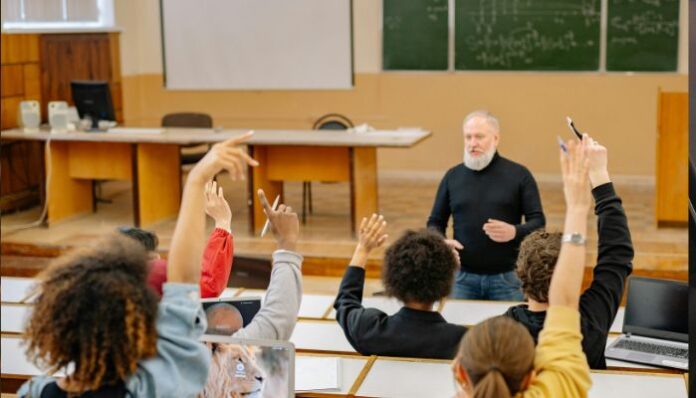
Feature image by Yan Krukau on Pexels.


















The way a site looks on a small mobile screen is usually a dealbreaker for me when checking out UK platforms. I prefer a dark aesthetic because it feels more premium and is much easier to use in different lighting conditions. I noticed that Dracula Casino has a very polished visual style that scales perfectly on a phone. The dark background helps the important elements stand out and the overall look is very sleek without being too flashy. In my experience this attention to aesthetic detail is a strong sign of a professional brand that takes its digital reputation seriously.
This article highlights the crucial skills often overlooked in liberal education, emphasizing the need for critical thinking and adaptability. It’s a reminder that grades aren’t everything! Speaking of engagement, check out this fun fruit game at Suika Game スイカゲーム for a refreshing mental break!
This blog post is absolutely fantastic! The content is insightful and well-researched, and your writing style is engaging and easy to follow. I love how you provide practical tips that can be applied right away. Keep up the great work!