
We’re living through a subtle but powerful shift. It’s no longer just big industries or traditional jobs that are monetized. Now, everything – from a hobby to a personality trait –can become a product. This is what I call micro-capitalism: capitalism scaled down to the smallest units of human activity.
The Rising Subscription and App Monetization
- Globally, digital subscriptions reached an estimated 923 million in 2025.
- Research predicts that the overall “subscription economy” will exceed $1.5 trillion by 2025.
- In 2024, app downloads declined by about 2.3%, yet consumer spending on apps grew to about US$ 127 billion.
- Although only about 5% of apps worldwide offered subscriptions last year, they accounted for 48% of app revenue across both stores.
The model has shifted from “download once” or “pay once” to “subscribe and pay regularly,” and the revenue comes from a small subset of apps that successfully monetize.
When Everything Asks for Money
When I tried starting my own YouTube channel, I went through at least six different apps — from video editing to voice-cleaning to thumbnail design — and every single one demanded a subscription.
At first, I thought I did something wrong. But no — I ran into paywalls even to export a short clip without a watermark, or access a slightly better font. Every “free” app had a quiet condition: subscribe, or stay limited.
I realized that even small creative acts — like making one thoughtful video — now come with invisible micro-costs. Creativity, too, has turned into a transaction.
The Gig Economy and Everyday Monetization
Additionally, monetization percolates into our work and hobbies:
- In India alone, research predicts that the gig workforce will expand to 23.5 million by 2029-30, forming about 6.7% of the non-agricultural workforce.
- An Economic Times report found a 92% year-on-year increase in blue-collar gig job postings in India in 2024, driven by e-commerce, ride-hail and delivery platforms.
- Globally, one estimate puts the number of online gig workers at about 435 million.
When Hobbies Become Careers
This is where the personal side comes in. Micro-capitalism isn’t just a macro trend: it’s your friend, hobby, and routine.
People who can cook, sew, arrange flowers, and edit videos now upload YouTube vlogs, tutorial reels, and sell small services. Suddenly, hobbies have turned into businesses.
Even in daily life, if you share your study routine online and make content, you monetise your discipline. If you are good at simple things like “arranging blocks” or “making playlists,” you might find a revenue stream.
In short: you can monetize the micro, everyday, amateur, and the “just nice to have.” That’s micro-capitalism in action.
What This Implies
The age of micro-capitalism affects us in many ways.
As users, we face many more “small payment” decisions subscriptions, micro-purchases, and premium features even for small apps or tools. It becomes cumulative.
There’s also inequality. If even small tests, apps, and services require payment, then the barrier for participation rises. And now, hobbies, creativity, and free time have to justify their value (monetisable or not).
And what about opportunities? The field is crowded. Producing “micro-services” (stickers, vlogs, tutorials) is viable but monetizing means continuously creating and often tailoring to market demand rather than purely passion.
Cultural and Economic Consequences
The line between “work” and “life” blurs. When your everyday habits become content or revenue, you’re always “on.”
Now, the notion of intrinsic value shifts. Things you once did for pleasure and self-improvement now may come with monetization layers.
As everyone tries to monetize something small, the uniqueness drops and competition rises, which means micro-capitals may become more precarious.
Microcapitalism: Freedom or Trap?
The monetisation of small skills, hobbies, and daily acts defines the modern economy. It represents both empowerment and exploitation.
On one hand, it lowers barriers and allows anyone to earn from creativity, independence, and time. On the other, it transforms every aspect of life into a potential business, pushing individuals to constantly “perform” for income and visibility.
Microcapitalism is not entirely wrong—it’s evolution. But when every moment, habit, and skill has a price tag, freedom turns into performance – and creation becomes survival.
Conclusion
In the age of micro-capitalism, monetization isn’t just for big companies or big apps. It’s for every little act: an app download, doodle sticker, cooking video, and study session turned content.
The question for each of us is this: What do we choose to monetize, and what do we keep just for ourselves?
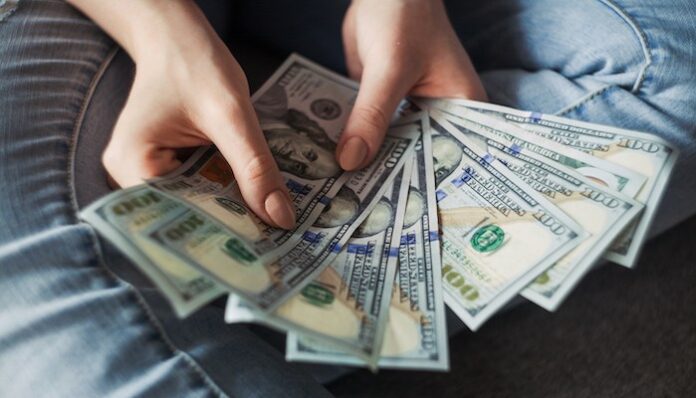
Photo by Alexander Mils on Unsplash



















plants vs brainrots: Collect resources to enhance your plants and unlock their hidden abilities. The more you play, the stronger your garden becomes!
Whether you’re on a tram in Adelaide or relaxing at home in Darwin, mobile access matters. Golden Reels Casino impressed me with its fast load times, responsive layout and support for Aussie cards. It’s built for players who want speed, clarity and no unnecessary clutter.
A warm greeting from Brighton. I’m a youthful spirit seeking a cultured gentleman for shared adventures along the seafront and beyond. Whether it’s exploring the latest exhibition at the Pavilion, enjoying a play at the Theatre Royal, or simply watching the world go by with a coffee, I believe life’s richest moments are shared. I frequently use matureradar.com to find interesting talks and matinee performances, appreciating how it filters for quality and relevance.
You really nailed how micro capitalism turns even the smallest parts of life into little revenue streams. As a real world parallel, its not unlike what happens at a pawn shop like Dallas Super Pawn: everyday items, even sentimental or just hobbies stuff, suddenly have a cash value, and you are constantly making decisions about what to monetize and when https://dallassuperpawn.com/