
I have a multi-organ system disease called Ehlers-Danlos Syndrome (EDS). It’s becoming more well-known recently, with many patients receiving this diagnosis after years of nobody knowing much about it.
This validates many patients who have experienced abuse and gaslighting by the medical community due to a lack of understanding of the disease’s multi-organ system impact on the body.
When I am admitted to the local hospital, I’m labeled as a “complicated case.” I’m also assigned travel nurses because they are the only nurses at my hospital who are familiar with my IV nutrition.
In some way, I see why doctors label us as complicated. EDS is similar to lupus, where every organ system is affected. These conditions affect multiple organ systems and can be disabling and crippling. The treatment options are poor at best, and some of my friends who have suffered severely are now in hospice at just 30 years old.
I’m fortunate to have a doctor who specializes in EDS. They don’t freak out at any emergency and are willing to take risks for the quality of my life. They’re also always on call.
EDS can cause organs to shut down, like my gut, which has stopped working.
Inflammation reduces nutrient absorption, causing gastroparesis (a condition in which stomach muscles don’t move food). However, EDS can also cause gastroparesis, even in the absence of malnutrition. Lack of nutrients makes the gut work poorly. Then, when you can’t absorb what you eat, you become malnourished. For some, the intestines can fail too, leaving a person dependent on IV nutrition.
People with EDS sometimes experience low back pain and constipation due to having a tethered spinal cord.
Moreover, postural orthostatic tachycardia syndrome is most often linked with EDS. It causes dizziness and fainting. Often, fluids help the body regulate its internal environment. More commonly, people may know POTS as the condition that has disabled many post-COVID patients.
Mast cell activation syndrome is often diagnosed in conjunction with EDS; however, to truly understand the condition’s impact on multiple organs, a biopsy of the tissue inside the body is necessary to determine if there are excessive mast cells or the nature of the inflammatory cells.
Patients can have severe and debilitating migraines and sometimes require Botox injections and pain meds. Neck complications can also arise from cervical spine disorders.
Since our bodies produce faulty collagen, the connective tissues—like ligaments and tendons—are weaker than normal and can’t properly support our joints. As a result, our muscles have to work harder to keep the joint stable. This extra strain can lead to pain, dislocations, slipping ribs, and subluxations, all of which are very painful.
Other symptoms include anemia, fatigue, abdominal pain, fragile skin, easy bruising, systemic inflammation, other gastrointestinal dysmotility issues, and chronic pain.
To the uneducated eye, that seems complicated! But to someone who researches EDS, like my GI doctor, the answers become simpler: hydrate, nourish, manage pain, and move to the best of your ability. A GI doctor, or gastroenterologist, plays a crucial role in managing EDS, particularly in addressing the gastrointestinal issues that often accompany the condition.
For those of us less educated than my MD, here are some of the issues patients with EDS face:
- Feeding tubes fall out, cause pain, and get infected.
- Central lines can become infected, leading to sepsis.
- Colon issues occur; some patients will get ileostomies, like me.
- Fainting, low blood pressure, and dehydration are a big deal for people with postural orthostatic tachycardia syndrome. Lack of hydration and hot weather exacerbate this condition.
- Pain is a devil with EDS, but a good pain doctor should be able to at least bring the pain from a 10/10 to 4/10.
- Other complications arise too unexpectedly sometimes; I’ve had two blood clots and cardiac surgery for one of them due to central line trauma.
Yes, there will be complications. But we are not complicated when you understand the disease as a multi-organ system disease and expect things to be wonky.
You can’t treat someone with EDS like you’d treat someone with the flu. There is no getting over the disease, but there is living to the best of your ability.
With more funding and research, I hope someone can come up with a treatment method for easing some of the many symptoms of multi-organ system diseases without needing intrusive surgeries and IV nutrition.
My brother once told me he freezes up when people ask about me, partly because he only has two minutes, and explaining my situation could take hours. He was trying to express just how much I go through and how often I’m in and out of the hospital. It’s so far outside the norm that it’s hard for him to even bring it up with coworkers. Now, he just says, “Well… my sister can’t eat,” and leaves it at that.
His response is relatively simple and true. My main problem is that I cannot eat. People look at him as if he’s crazy, and they appear bewildered, probably wondering how I’m alive if I can’t eat. When he tells them it’s been 16 years since I’ve been able to eat, their jaws drop.
Then he shrugs his shoulders and says, “So, do you have siblings?”
It’s really not that complicated.
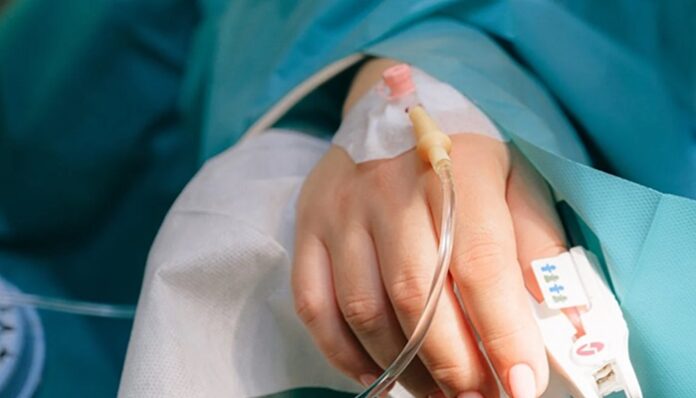
Featured image via Anna Shvets on Pexels



















Lack of nutrients makes the gut work poorly. Then, when you can’t absorb what you eat, you become malnourished. For some, the intestines can fail too, leaving a person dependent on IV nutrition.
Living with a multi-organ system disease has taught me resilience and patience. I don’t see myself as complicated, but nursing center Los Angeles rather as someone managing unique challenges daily. For me, the key is focusing on strength, adaptability, and self-care while reminding others that compassion and understanding matter more than assumptions.
Your courage in navigating the complexities of Ehlers-Danlos Syndrome sheds light on the often misunderstood challenges faced by those with multi-organ system diseases. Your insights into the importance of understanding and compassion in medical care are invaluable. For those seeking support and information on related conditions, NYC Hearing offers resources that might be beneficial https://nychearing.com
When the body lacks essential nutrients, the gut doesn’t function properly. As absorption becomes impaired, malnutrition can develop. In severe cases, the intestines may fail altogether, making a person reliant on intravenous nutrition.