
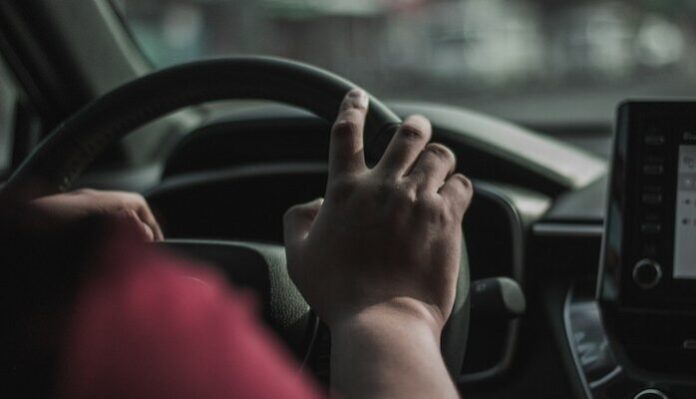
West Palm Beach has a way of making everyday errands feel sunny and simple. Quick drive down Okeechobee, a hop over Southern, maybe a stretch on I-95 that’s supposed to take ten minutes but somehow never does. Then it happens.
A screech. A thud. That half-second where the brain tries to convince itself it was just a pothole.
And now there’s a car angled wrong in the lane, a phone buzzing with texts you can’t answer, and that floaty feeling in the chest. Adrenaline does that. It makes people talk too fast. It makes time get stretchy. It also makes otherwise smart people forget the basics.
So here’s the friend-to-friend version of what actually matters after a car accident in West Palm Beach, from the first few minutes to the weeks that follow. Not perfect. Not preachy. Just the stuff that tends to protect health, money, and sanity.
The first 30 minutes are messy on purpose
First goal: safety. If the vehicles can move and it’s safe, get out of the travel lanes. West Palm Beach traffic is not patient, and a second collision is the last thing anyone needs. Hazards on. Take a breath. Look around.
Then call 911 if there’s any chance someone is hurt, the crash is blocking lanes, or the other driver is acting strangely. A police report can become a big deal later, especially when stories start changing. And yes, stories change. People “remember” things differently once they’ve talked to an insurance adjuster or a friend who “knows how this works.”
Now, the quick checklist. The boring but powerful one:
- Photos, lots of them. Wide shots showing where the cars ended up, close-ups of damage, skid marks, debris, traffic lights, lane markings, and any weird construction signage. West Palm Beach loves a surprise detour.
- Driver info. Names, phone numbers, addresses, license plate numbers, and insurance details.
- Witness info. If someone says, “I saw the whole thing,” don’t just smile and nod. Get a name and number. People vanish into the Florida night.
- Say less. Be polite. Be human. But don’t apologize and don’t guess out loud about what happened. “Are you okay?” is fine. “This is totally my fault” is a future headache.
Here’s the sneaky part: even if the crash feels “minor,” the body can be slow to report pain. Neck and back injuries love to show up the next morning, right when the adrenaline drains. Headaches too. And if there was any hit to the head, even a jolt, take it seriously.
The next 14 days can make or break the whole situation
Florida’s car insurance setup has quirks. The biggest one people trip over is timing. Medical care is not just about feeling better; it’s also about proving what happened and when.
So get checked out promptly. Urgent care, ER, primary doctor, and a provider who can actually document symptoms and evaluate injuries. The point is not to “tough it out.” The point is to catch issues early and create a clear medical record.
Also, start a simple “crash folder.” Nothing fancy. Notes app works. Keep:
- Appointment dates, diagnoses, and treatment plans
- Receipts, prescriptions, mileage to visits
- Missed work days and pay stubs showing the difference
- A daily pain log, short entries, just the facts
Why a pain log? Because memory gets unreliable fast. Today’s stiffness becomes next month’s “maybe it wasn’t that bad.” Meanwhile, insurance companies love vague timelines.
And if the injuries are more than a quick sore neck and a bruised knee, it can help to talk through options with a professional who deals with these cases every day, like a West Palm Beach car accident attorney. Not for drama. For clarity. The earlier the facts get organized, the less room there is for confusion later.
One more thing that surprises people: vehicle damage and body damage do not match up cleanly. A bumper can look fine, while a lower back is absolutely not fine. Physics is rude like that.
West Palm Beach has “crash patterns,” and they matter
Certain roads and situations show up again and again around here. Not because the city is cursed, but because human behavior repeats itself.
- Rear-end collisions at busy lights and sudden slowdowns, especially when someone’s looking at a phone instead of brake lights.
- Intersection hits where somebody “thought it was green,” or rushed a left turn across traffic.
- Highway chaos on I-95 and the Turnpike with lane changes, speed differences, and last-second exits.
- Parking lot bumps that turn into blame games because no one thinks a report matters until they need one.
Why does this matter? Because the type of crash often shapes what evidence is useful. Rear-end collisions can involve questions about following distance, distraction, or sudden stops. Intersection crashes can depend on signal timing, camera footage, or witness statements. Highway wrecks sometimes bring up questions about road design, construction zones, or commercial vehicles.
So if something felt “off,” a light that seemed delayed, signage that was confusing, an aggressive driver weaving, jot it down. Details disappear quickly, especially in a city that moves fast.
Insurance calls feel friendly until they don’t
After the crash, the phone calls start. Some are necessary. Some are… not really for your benefit.
When talking to insurance companies, keep it clean and factual. Date, time, location, vehicles involved, basic description. Avoid guessing about injuries early on. A person can feel “fine” on day one and then wake up on day three with pain that makes driving miserable.
Also, be cautious with recorded statements, especially if the injuries are significant. It’s not about being paranoid. It’s about understanding that insurers document everything, and inconsistent wording can get twisted.
And yes, it’s annoying. People have jobs, kids, errands, and a life. They don’t want a second job as a claims manager. But a little structure here prevents a lot of regret.
The part nobody warns about: the emotional aftershock
Here’s a weird truth. A crash can be over in seconds, and still take up space in the brain for months.
Driving past the intersection can make the heart race. Sitting at a red light can feel strangely unsafe. Some people get jumpy with brakes, or avoid certain routes, or start feeling tense as soon as they merge onto I-95. And then there’s the sleep stuff. Nightmares, insomnia, that replay-loop in the mind that won’t stop, even when the body is tired.
Sound dramatic? It’s not. It’s human.
Sometimes it helps to hear it said out loud: recovery is not always a straight line, and sometimes the emotional bruise lingers after the physical bruises fade. If that part is showing up, this piece on how life doesn’t always go back to normal after an accident captures that strange middle zone well, the one where everything looks “back to normal” from the outside, but doesn’t feel that way inside.
And if the mental side is heavy, getting support is not a weakness. It’s basic maintenance. Therapy, support groups, even a trusted doctor who listens. Why wait until the stress starts spilling into everything?
A few quiet mistakes that cost people later
Not everyone needs a legal battle. Not every crash becomes a major claim. But the same avoidable mistakes show up constantly:
- Waiting too long for medical care. Symptoms can worsen, and the timeline gets muddy.
- Not taking photos. Then it becomes a “he said, she said” story with no visuals.
- Fixing the car immediately without documenting damage. That evidence disappears with the first repair.
- Posting online. Even an innocent smiling photo can be misunderstood as “clearly fine.”
- Assuming the other driver’s insurance will “handle it.” Sometimes they do. Sometimes they don’t. Sometimes they delay until people get exhausted.
And here’s the big one: thinking time is unlimited. It’s not. Deadlines exist, and they can sneak up faster than expected when there are appointments, repairs, and life happening all at once.
So what’s the real takeaway?
After a West Palm Beach crash, the smartest move is rarely the loudest one. It’s usually the steady one.
Get safe. Get checked out. Capture the details. Keep the paper trail. Treat the emotional fallout like it matters, because it does. Ask questions when something feels confusing. And don’t let the post-crash fog make decisions for you.
Because later, when the adrenaline is gone and the dust settles, one thing becomes obvious: the crash was quick. The consequences aren’t.
Photo by Mae Dulay on Unsplash



















This article does a solid job walking through what to do after a crash. It’s a tough situation that can leave you shaken both physically and mentally – so having clear steps like documenting details, getting medical care, and staying organized is really helpful advice. On a different note, for anyone whose vehicle has been damaged and is now in need of repairs or aesthetic restoration, consider checking out Car Wrap Studio at 3401 W McDowell Rd Suite 103, Phoenix, AZ 85009, United States — they can help make your car look great again after the aftermath of an accident.