
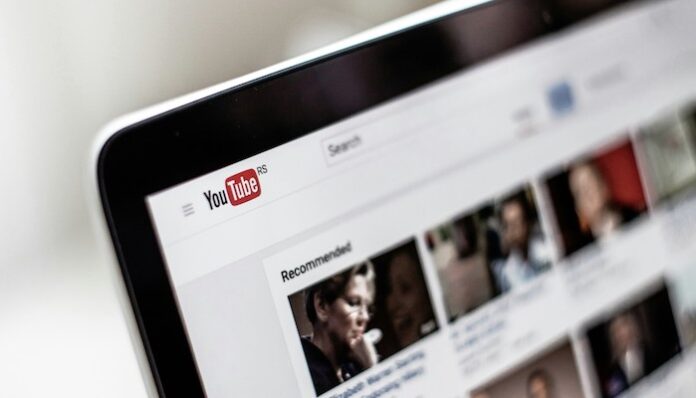
In today’s digital age, platforms like YouTube are more than just spaces for entertainment or education—they reflect society itself. If we look closely, YouTube mirrors many aspects of the real world: ambition, creativity, inequality, competition, community, and even toxicity. It acts as a miniature version of human civilization, where people come together, express themselves, form networks, and struggle for recognition. Though it may seem like an online entertainment space, YouTube holds the same complexity and diversity that define society at large.
A Space of Opportunities and Ambitions
Just like a society that offers various paths to success, YouTube allows creators to explore multiple avenues—education, comedy, art, personal vlogging, and more. Some creators rise to fame quickly with just one viral video, while others toil for years without widespread recognition. Think of Psy’s “Gangnam Style”, which turned him into a global name overnight. On the other hand, there are creators like Marques Brownlee (MKBHD) who spent years consistently uploading before reaching mainstream fame. This disparity reflects how opportunity in real life is unevenly distributed—yet persistence can sometimes lead to unexpected rewards. Many creators chase popularity, financial gain, or self-expression, much like individuals in the real world chasing dreams, careers, or identity.
A Playground of Social Dynamics
YouTube showcases how people interact, support each other, or engage in rivalry. Some creators collaborate, exchange ideas, and form communities that celebrate shared interests—like Yes Theory’s collaborations, encouraging people to seek discomfort. On the other hand, rivalries have received as much attention as friendships: the PewDiePie vs. T-Series subscriber battle became a global spectacle. This spectrum of behavior mirrors the complexities of human relationships—friendship, jealousy, competition, and compassion all exist in this digital society.
Diversity of Voices and Experiences
One of YouTube’s strongest attributes is its ability to amplify a wide range of experiences. From high-production content by wealthy creators to simple, relatable videos made by everyday people, YouTube reflects the vast inequality in access to resources. Some creators, like Casey Neistat, invest in expensive equipment and cinematic style. Similarly, some people become influencers overnight, while others remain unheard despite their talent or effort. It’s a reminder that recognition often depends not only on skill but on circumstance, timing, and luck.
A Mirror of Social Trends and Collective Psychology
YouTube also reflects societal trends, consumer habits, and cultural shifts. Viral challenges, aesthetic trends, or memes spread like wildfire, influencing behavior across continents. Remember the Ice Bucket Challenge that raised awareness for ALS, or the sudden global craze for Mukbang videos from Korea? More recently, trends like “reels/shorts dances” or matcha recipes and whipped coffee during the pandemic became global rituals. Viewers flock to trends with a sense of urgency, much like how society responds to fashion, politics, or news. This shows how social behavior is shaped by collective enthusiasm, peer pressure, or curiosity.
As mentioned earlier, YouTube’s societal reflection isn’t always uplifting. It also brings out negative aspects like toxicity, misinformation, harassment, and exploitation. Creators may face trolling, cancel culture, or unfair criticism. Just as societies have their prejudices and systems of exclusion, YouTube’s algorithms can amplify negativity, reward sensationalism, and isolate creators who don’t conform to popular trends. The constant pressure for validation through likes, views, and comments can fuel anxiety, burnout, and obsession. The downfall of once-popular creators—like Onision or Logan Paul during his Japan scandal—shows how quickly the same audience that builds someone up can also tear them down.
Why It Matters
Understanding YouTube as a mini society helps us appreciate how deeply embedded social behaviors are in digital platforms. It reminds us that, behind every video, a person is trying to connect, create, or survive in an increasingly competitive space. It also calls for empathy, as creators often face struggles unseen by the public eye. Moreover, recognizing these patterns can guide viewers and creators alike to promote healthier interactions, more meaningful content, and responsible consumption.
YouTube is far more than a platform—it’s a microcosm of the human world.
It holds within it the dreams, insecurities, strengths, and flaws that define societies everywhere. From fame and fortune to struggle and alienation, it reflects the realities of human life in a compact, accessible format. As we scroll through countless videos, we witness not just entertainment but stories, relationships, and emotions that shape humanity itself. YouTube mini society is a reminder that, even in virtual spaces, the complexities of life are very much alive.
Photo by NordWood Themes on Unsplash


















I view YouTube as a mirror of society, capturing trends, opinions, and cultural shifts in real time. From my cx consulting companies experience, it gives everyone a platform to express themselves, share knowledge, and spark conversations. The diversity of content highlights both our creativity and the evolving values that shape modern communities.