
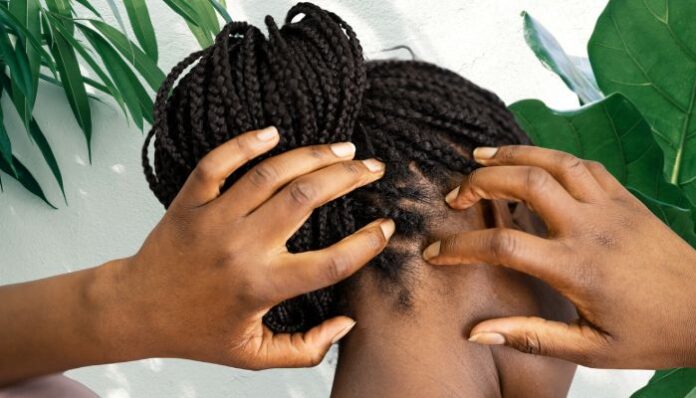
If you’ve ever thought, “Why does my scalp hurt?” after wearing a tight hairstyle, spending too much time in the sun, or even during a migraine, you know how uncomfortable scalp pain can be. Most of the time, it’s linked to irritation, inflammation, or nerve sensitivity — but sometimes it can be a symptom of an underlying health issue.
For example, certain neurological conditions can cause unusual scalp sensations, from tingling to tenderness. In rare cases, nerve-related disorders such as multiple sclerosis may play a role, where treatment focuses on reducing inflammation and improving nerve function. In such cases, addressing the root cause is essential, and exploring options for multiple sclerosis treatment can help manage symptoms effectively. While this isn’t the most common cause, it shows why understanding the root trigger is important.
In this guide, we’ll break down the most frequent reasons for scalp pain, why it might be tender in just one spot, and practical ways to find relief.
Why Does My Scalp Hurt? Common Causes
If you’ve ever caught yourself wondering, “Why does my scalp hurt?”, you know how distracting and uncomfortable it can be. Sometimes it shows up after wearing a tight ponytail, other times during a bad headache — and occasionally, the reason can be something you’d never expect.
In most cases, scalp pain or tenderness is linked to irritation, pressure, inflammation, or heightened nerve sensitivity. Let’s break down the most common causes so you can better understand what might be going on.
Hair Follicle Inflammation and Scalp Conditions
Hair grows from tiny “pockets” in your skin called follicles. When they become irritated or clogged, the surrounding skin can feel sore or tender. This can happen if:
- You wash your hair too infrequently, allowing oil and product buildup
- You wash too often, stripping away the natural protective oils
- You use a lot of styling products that block the pores
This is why it can sometimes feel like your hair hurts — when it’s actually your scalp.
Tension, Tight Hairstyles, and Traction Alopecia
Wearing tight ponytails, braids, or buns pulls your hair in one direction for hours at a time. This constant tension puts pressure on both your scalp and hair roots. After a while, the area can become sensitive and sore, even after you let your hair down.
Over time, very tight hairstyles can even lead to thinning or hair loss in the most strained areas.
Migraines and Nerve Sensitivity
During a migraine or severe headache, the nerves in your scalp can become extremely sensitive. This means even light touches, brushing your hair, or changing its direction can feel painful.
In some cases, increased scalp sensitivity may be connected to underlying nerve-related conditions — for example, those requiring multiple sclerosis treatment. While most scalp pain is not linked to serious illness, it’s a reminder that your nervous system plays a big role in how your scalp feels.
Skin Irritation, Allergies, and Sunburn
Your scalp can react to hair products, dyes, or treatments, leading to itching, redness, and tenderness. Even switching to a new shampoo or conditioner can trigger irritation for some people.
Sunburn is another common culprit. Spending a few hours outside without a hat or UV protection can burn the skin under your hair. You might not see the burn, but you’ll feel it — especially when brushing or touching the area.
Injuries, Friction, or Headgear Pressure
Anything pressing against your head — like a helmet, tight hat, or over-ear headphones — can cause localized pain. Friction from lying in one position for too long can have the same effect.
Even a small bump, scrape, or scratch on the scalp can leave a spot tender for days.
Why Is My Scalp Tender in One Spot?
If you’re asking yourself, “Why is my scalp tender in one spot?”, it usually means the discomfort is coming from a very specific area rather than your whole head. This type of scalp pain can be more noticeable because it’s concentrated — you feel it every time you touch, brush, or even move your hair.
One of the most common reasons is folliculitis, when one or more hair follicles in that spot become irritated or inflamed. It can be caused by bacteria, friction from hats or helmets, or even buildup from hair products. In this case, the skin may look slightly red, feel warm, or develop tiny bumps.
Another possible cause is a minor injury, like bumping your head on a cupboard or scratching your scalp without realizing it. Even small scrapes can make the area sore for several days. Similarly, a localized skin reaction from hair dye, styling products, or sunburn can cause scalp tenderness in just one patch.
Sometimes, that sore spot on the head happens because of pressure or friction in the same area over time — for example, sleeping in one position every night, wearing tight ponytails, or using heavy hair accessories.
Because a tender spot can occasionally point to an infection or more complex underlying issue, you shouldn’t ignore it if it lasts for more than a few days, becomes increasingly painful, or is accompanied by swelling, redness, or unusual discharge. In those cases, it’s best to have it checked by a doctor to pinpoint the exact cause and prevent it from getting worse.
Why Does My Hair Hurt When I Move It in Another Direction?
The truth is, it’s not actually the hair that feels pain — it’s your scalp. Each strand of hair grows from a follicle surrounded by tiny nerve endings, and when those nerves are stimulated or irritated, they send pain signals to your brain.
It’s quite common to feel scalp pain after wearing your hair in the same style for a long time, such as a tight ponytail, bun, or braid. The constant tension can make the follicles extra sensitive, so when you let your hair down or move it differently, the nerves react sharply. This kind of discomfort usually goes away within a few hours once the scalp relaxes.
However, if your scalp hurts when moving hair regularly — even without tight hairstyles — it could be linked to issues like inflammation around the follicles, scalp tenderness from irritation, or even skin conditions that affect the nerve endings. Persistent or worsening pain, especially if it’s paired with redness, bumps, or sensitivity to touch, may be a sign that something more than just hair movement is causing the problem and should be checked by a professional.
Prevention Tips for a Healthy, Pain-Free Scalp
Keeping your scalp healthy is the best way to avoid problems like scalp pain, tender scalp, or that frustrating feeling when your scalp hurts to touch. A few simple habits can make a big difference in preventing sensitivity and discomfort.
Start with gentle care. Use a mild shampoo that cleans without stripping away natural oils, and avoid over-washing, which can cause dryness and irritation. When brushing, choose a soft-bristle brush and work slowly to prevent pulling on the follicles — especially if your scalp hurts when moving hair.
Healthy scalp care checklist:
- Use gentle, sulfate-free shampoo
- Avoid over-washing your hair
- Brush with a soft-bristle brush
- Protect your scalp from the sun with hats or SPF products
- Rinse hair after swimming in pools or the ocean
- Limit tight hairstyles and heavy accessories
- Keep your scalp hydrated with lightweight oils or leave-in conditioners
Protect your scalp from the sun just like you would your skin. Wearing a hat or using hair products with SPF can help prevent sunburn, which is a common but often overlooked cause of scalp tenderness. If you swim in pools or the ocean, rinse your hair and scalp afterward to remove chlorine or salt, both of which can dry and irritate the skin.
Finally, be mindful of tight hairstyles and heavy hair accessories. Giving your scalp breaks from tension will keep the follicles relaxed and help you avoid sore scalp causes like traction and inflammation.
How to Relieve Scalp Pain and Tenderness
If you’re dealing with scalp pain, a tender scalp, or that annoying sensation when your scalp hurts to touch, the first step is to find relief while addressing the root cause. Simple home remedies can often make a big difference.
For immediate comfort, try warm or cold compresses. A warm compress can help relax tight muscles and improve circulation, while a cold one can reduce swelling or soothe irritation. Switching to a loose hairstyle (or going without hair ties for a while) can also ease tension if your scalp hurts when moving hair. Use a gentle, sulfate-free shampoo to avoid further irritation, and consider massaging your scalp lightly with your fingertips to stimulate blood flow.
If the pain is linked to a specific cause — such as sunburn, buildup from hair products, or a skin reaction — treat it accordingly. For example, a soothing aloe gel can calm sunburn, while an anti-dandruff shampoo can help if the discomfort is caused by flaking and irritation. In some cases, you might need targeted treatment from a dermatologist or trichologist, especially if symptoms persist or worsen.
When to See a Doctor About Scalp Pain
While occasional scalp tenderness is often harmless, some symptoms should not be ignored. Seek medical advice if you experience:
- Severe or persistent scalp pain
- Noticeable swelling or redness
- Fever along with scalp sensitivity
- Rash, sores, or open wounds on the scalp
- Sudden sharp pain on top of head or in a sore spot on head
Specialists who can help include:
- Dermatologist – for skin conditions and inflammation
- Trichologist – for hair and scalp health issues
- Neurologist – if scalp pain is linked to nerve sensitivity or migraines
Final Thoughts on Why Does My Scalp Hurt
Scalp pain is a symptom, not a diagnosis — and the cause can range from something as simple as a tight ponytail to an underlying skin or nerve issue. Paying attention to when and how the discomfort happens can help you figure out whether it’s a minor irritation or something that requires professional care.
If you’ve been wondering, “Why is my scalp tender in one spot?” or feeling persistent scalp tenderness, don’t ignore it. Small changes in hair care and early attention to symptoms can prevent bigger problems later. Listen to your scalp — it’s often the first to tell you when something’s not right.
Feature image from Canva.



















Hey Leute, aus Sachsen meldet sich hier jemand, der die Seite als Empfehlung in einer Facebook-Gruppe fand. Mich reizte sofort die Auswahl an Themen und die klaren Einsatzlimits. Besonders gefiel mir, wie leicht man Freispiele triggern kann; deshalb versuchte ich https://billionairespin.com.de und wählte einen Automaten mit hohen Auszahlungsraten. Nach einer kurzen Pechphase kam ein Glückslauf, der meine Verluste tilgte und mir wieder Vertrauen in mein Spielglück gab.