
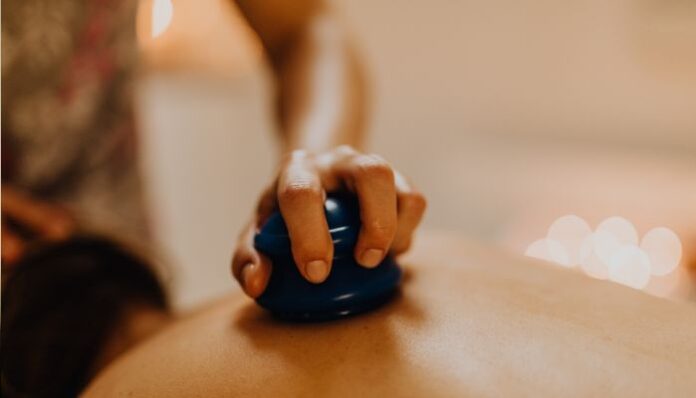
Cupping therapy is a treatment method practiced in various cultures for centuries and is now commonly offered in modern wellness and acupuncture clinics. The technique involves placing specialized cups on the skin to create gentle suction. This suction lifts the tissue slightly, which may help improve circulation, reduce muscle tightness, and promote relaxation. Many people explore cupping therapy as part of a broader approach to managing muscle discomfort, stress, or recovery from physical strain.
Unlike massage, which applies downward pressure, cupping lifts the tissue upward. This difference changes how muscles and connective tissue respond. The suction may help release areas of tension that feel tight or restricted, especially in the back, shoulders, and neck. Athletes sometimes use cupping to support recovery after intense training, while others seek it for general stress relief or chronic muscle stiffness caused by desk work and poor posture.
Clinics such as Pulse Acupuncture often integrate cupping into treatment plans alongside acupuncture or manual therapies. The goal is not simply temporary relief but supporting better movement and reducing patterns of tension that build over time. Practitioners typically customize sessions to individual needs, focusing on specific areas of discomfort rather than following a standard routine.
People are often drawn to cupping because sessions are relatively quick and non-invasive. While visible marks can appear afterward, many patients view these as a normal part of the process rather than a sign of injury. Understanding how the therapy works helps patients feel more comfortable and prepared before trying it for the first time.
What Cupping Feels Like and How Sessions Work
A cupping session usually begins with a short consultation to discuss symptoms, health history, and treatment goals. The practitioner identifies areas of muscle tension or discomfort and selects appropriate cup sizes and placement locations. Cups may be made of glass, silicone, or plastic, depending on the technique being used.
During treatment, cups are placed on the skin and suction is created either through a manual pump or gentle heat inside the cup. Patients typically feel a pulling or lifting sensation rather than pain. Many describe the feeling as unusual at first but quickly relaxing as muscles begin to release tension. The cups usually remain in place for several minutes while the patient rests comfortably.
In some sessions, practitioners may gently move the cups across the skin using oil, a technique sometimes called sliding or dynamic cupping. This approach combines suction with movement to address broader areas of muscle tightness. Sessions generally last between 10 and 20 minutes for the cupping portion, though they may be combined with other therapies during a longer appointment.
After the cups are removed, circular marks may appear where suction was applied. These marks vary in color and typically fade within several days. They are not bruises caused by trauma but rather temporary changes in blood flow beneath the skin. Most patients report feeling relaxed, warm, or less tense after treatment, especially in commonly tight areas such as the upper back and shoulders.
Safety Tips, Aftercare, and When to Avoid Cupping
Although cupping is widely considered safe when performed by trained professionals, proper aftercare and awareness of precautions are important. After a session, patients are usually advised to drink water and avoid intense physical activity for several hours. The body may feel relaxed or slightly tired as muscles adjust, making rest beneficial immediately after treatment.
Keeping treated areas warm is often recommended, as muscles may be temporarily more sensitive. Gentle stretching can support recovery, but aggressive exercise or deep pressure massage immediately after cupping is usually discouraged. Skin should also be kept clean, and hot showers or saunas may be postponed temporarily at the practitioner’s advice.
Certain individuals should consult a healthcare provider before trying cupping. People with bleeding disorders, fragile skin conditions, or those taking blood-thinning medications may need modified treatment or alternative options. Cupping is also generally avoided over open wounds, inflamed skin, or areas affected by infection.
Clear communication with the practitioner helps ensure safe treatment. Patients should mention medical conditions, recent injuries, or unusual reactions to previous therapies. Professional clinics adjust techniques and suction levels to match comfort and safety needs.
With proper application and guidance, cupping can be a supportive addition to wellness routines. Understanding what to expect, how to care for the body afterward, and when to avoid treatment helps patients experience the benefits safely and confidently.
Feature image from Canva.



















Really interesting explanation of cupping therapy and how it supports muscle recovery and relaxation naturally. A lot of wellness treatments today benefit from better feedback and user experience tracking, especially when clinics want to understand patient satisfaction over time. I recently came across while exploring different customer feedback survey options, and it seems useful for collecting organized responses and insights. Posts like this help people better understand traditional therapies in a modern wellness setting.
Cupping therapy offers wonderful benefits for relaxation and muscle recovery, making it worth exploring for holistic wellness. When researching local resources or community information, tools like Poinsett County Lookup can help you find verified public data. Always cross-reference wellness advice with trusted health professionals and official sources. Combining self-care practices with informed awareness supports a balanced, healthy lifestyle.
Therapy offers wonderful benefits for relaxation and muscle recovery, making it worth exploring for holistic wellness. When researching local resources or community information, tools like Poinsett County Lookup can help you find verified public data.
Really informative explanation about how cupping therapy works differently from traditional massage techniques. I also like how you mentioned its role in recovery and muscle relaxation, especially for people dealing with posture-related tension. While researching wellness trends recently, I came across some useful resources related to criminal history check that organize public information in a very structured way. Overall, this was an easy and interesting read that explains the benefits clearly without overcomplicating the topic.
Last week in Brooklyn, my AC started acting strangely after a long humid day. It wasn’t fully broken, but the cooling felt weak and uneven across rooms. I didn’t want to ignore it, so I started reading about common issues and found https://acrepair.ac/blog/ac-problems-brooklyn. It helped me understand that many AC problems begin quietly before turning into bigger repairs. Now I pay attention to small changes much earlier instead of waiting for a full breakdown.
Nepali driving licence print check online helps applicants track print progress, verify current status, receive timely updates, and simplify the collection process.