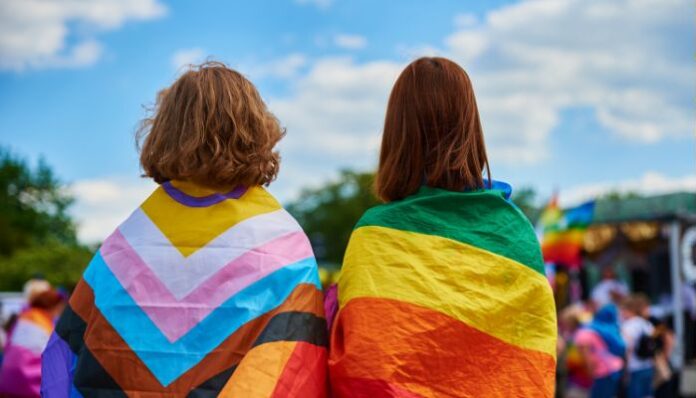
Every June, town streets the world over erupt with colour, song and birthday party. For many, Pride Month represents joy, visibility and freedom. A time to bounce, keep in mind and resist. But for others, particularly those at the margins of the LGBTQ community, Pride can feel less like a party and more like a reminder of ways a long way we still must pass.
From Black trans activists to disabled queer oldsters, there’s a developing variety of voices pointing out a painful reality: mainstream Pride often seems like a celebration that not every person is invited to.
Pride, But Make It Palatable
Over the years, Pride has come to be an increasing number of corporations, with manufacturers eager to slap a rainbow on their trademarks. But whilst Pride becomes a sanitized marketing moment, it risks erasing those who fought hardest for LGBTQ liberation. Especially those whose identities are nevertheless taken into consideration “an excessive amount of.” Leather way of life, kink, and frame politics had been quietly pushed to the fringes, despite their deep roots in Pride records.
It’s not uncommon to hear criticism of leatherfolk or kinksters at Pride, but those subcultures have been instrumental in early queer activism. Those who proudly wear a Bondagehood or a harness aren’t “off-logo”; they’re part of the story. But today, these people are frequently informed to tone it down to be greater “family-pleasant” — a word that too regularly centers normative comfort over authenticity.
Intersectionality Still Gets Ignored
There’s additionally the matter of race, magnificence, and incapacity. While white cis gay guys and lesbians have an increasingly more determined reputation in mainstream lifestyle, queer people of shade — mainly trans girls — hold to stand violence, poverty, and social exclusion. It’s tough to join a parade when you’re nevertheless preventing your simple rights, or whilst public occasions lack hand design.
Add to that the erasure of identities like asexuality, nonbinary existence, or queer neurodivergence, and you start to apprehend why some people experience disconnectedness. Pride guarantees cohesion, but without real intersectionality, it risks becoming a whole promise.
When Pride Doesn’t Feel Safe
Safety is another overlooked factor. For many queer humans, especially those in conservative areas or unsupportive households, attending a Pride event can come with proper risk. The fear of being outed, focused, or even harmed is real. This anxiety isn’t usually visible, but it continues endless LGBTQ individuals faraway from activities which are supposedly designed for them.
Even within relationships, navigating vulnerability and communication can be hard. For example, open discussions around intimacy — like trying new things or exploring dynamics such as the Captain Sex Position — are still stigmatized in many queer spaces, despite calls for sex-positive inclusion.
Pride Needs a Reset
The solution isn’t to cancel Pride — far from it. The answer lies in recentering the movement around folks who’ve been overlooked. That method raising trans voices, making areas for kink, decolonizing queer narratives, and making sure that Pride is simply available.
It also means recognizing that Pride doesn’t have to be loud or public to be real. For some, Pride looks like surviving. For others, it might mean lying in a Leather Sleepsack, wrapped in the comfort of their chosen identity, finally feeling safe in their own skin.
Support for the full spectrum of queer existence also includes choosing where and how to spend your money. Independent makers like The Green Tanners, who create leather goods that celebrate kink culture with craftsmanship and respect, quietly play a role in keeping that heritage alive — far from the rainbow capitalism we see each June.
Pride isn’t always confetti and parades. Sometimes it’s quiet. Sometimes it’s angry. Often, it’s complicated. But at its best, it should be a place where every queer person — from the protester to the performer to the leather-clad dreamer — feels they belong.