
When I first saw the trailer of Pixar’s Elio, about a kid who wants to be abducted by aliens, it seemed cute but fairly unremarkable. I didn’t think much about it. Then, I saw a recent article stating that the character was originally intended to be queer-coded, but actions from higher executives, who probably didn’t want to come under fire from fans, changed certain scenes and made him “more masculine.” I immediately thought that this story– about a boy who wants to leave Earth behind because he doesn’t fit in– would make much more sense, and be far more compelling, if he were a queercoded person who couldn’t perform masculinity. Boys and men who aren’t masculine or emotionless enough tend to be heavily punished and mocked by society.
Even if such a thing wasn’t shown on-screen, Elio’s lack of masculinity would still make it clear to anyone why he wants to leave Earth behind.
James Dunn’s upcoming “Superman” film doesn’t appear to have had these same problems with self-censorship. However, it’s also getting some backlash from audiences who claim that, because the director has called Superman an “immigrant,” the story is “woke,” and therefore devoid of value. Fox News even ran a segment calling it “Superwoke.”

Watch the Fox News segment HERE.
Now, Superman has had the same origin story since his comics first debuted in 1938. He’s the last survivor of a civilization on a foreign planet, Krypton, that crash-landed on Earth. He’s always been an undocumented immigrant, just like he’s always (except for the Batman v. Superman movies that are better off unmentioned) been kind. So, a Superman movie, about a kind immigrant, has to be pro-immigration, or it’s not really a Superman movie. Fans online were quick to point this out, with one saying Superman’s literal alien status is as core to his character as “Batman making plans.”
What these two characters have in common is a connection to aliens, and an inability to fit into a new world that is being drawn up before our eyes and on our screens. While “forced diversity”– the act of putting diverse characters in media to fill a quota, while not letting them have any meaningful role- was talked about endlessly in the late 2010s, and even in the past few years, what’s happening now feels a lot worse. Although Superman and Elio are fictional, the condemnation of their characters comes from anger at real people who are like them.
This anger will make authors who identify as something out of the norm, marginalized, or diverse, less likely to tell stories out of fear.
It will also make executives (like those at Pixar) unwilling to risk ticket sales by selling a “controversial” story- disapprove of more and more of these stories. A lot of compelling, beautiful ideas and characters just might not exist in the theater anymore, and a portion of the people who watch will never find a movie that speaks to them. The unique thing about the “silver screen” is that it gives a glimpse into what a polished, shimmering, ideal world would look like. Since most of the stars are glamorous, most of the conversations are perfectly scripted in ways that real ones aren’t, and, most of the time, the heroes win. So, when movies lose diversity, a lot of people will get a message that the real world already tries to push onto them– which is that, in an ideal world…they wouldn’t be there. And they deserve better. We all do.
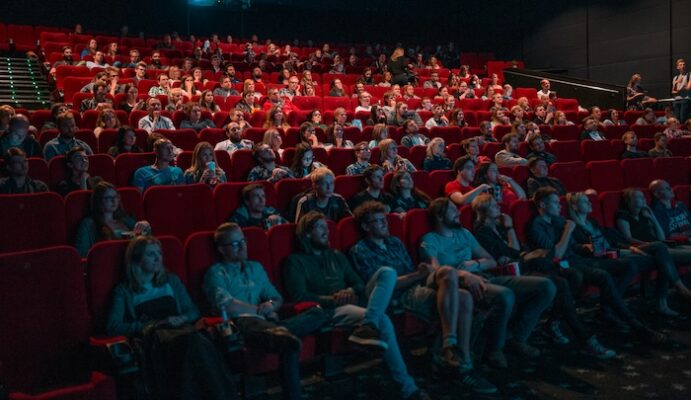
Photo by Krists Luhaers on Unsplash


















Discover a range of top-tier entertainment experiences at MustWin.guru — from classic setups to modern game formats, with insights on rewards, features, and performance. Compare different platforms to find what suits your style and get tips, reviews, and expert suggestions.
https://mustwin.guru/
This is such a moving and necessary reflection — thank you for putting it into words so clearly.
It’s a shame to hear about the changes made to Elio’s character. That original queer-coded concept sounds like it would have resonated so much deeper, especially with the theme of not fitting in. It reminds me of how sometimes you feel like you’re just trying to survive, dodging obstacles in life, much like in the Dinosaur Game when the internet goes down. Imagine how powerful it could have been to see a queer character genuinely struggling with societal expectations of masculinity in such a mainstream film.
The debate around removing wokeness from films often misses the deeper cultural layers that storytelling brings. I remember when a beloved local theater tried to strip political themes from their plays, causing confusion and disengagement among audiences. This incident reminded me that creative content, much like at Monkey Mart, thrives on reflecting diverse perspectives to resonate meaningfully with viewers. Balancing representation without tokenism is a complex but necessary challenge.