
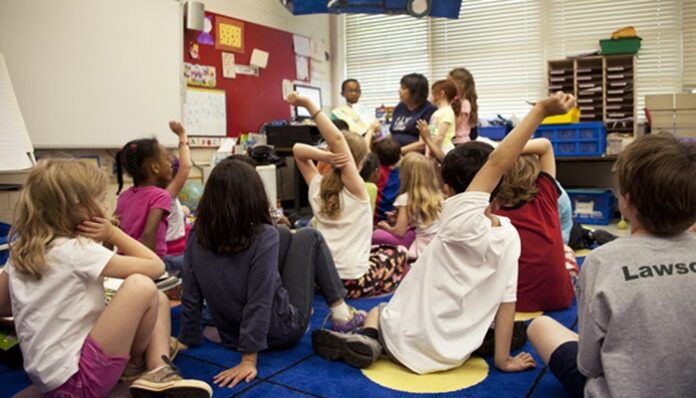
Starting school is a big step for little kids. Still, many parents wonder if preschool makes a difference. Some may worry about the cost or whether it’s necessary. The truth is, quality preschool programs set a strong foundation for kids. They help children grow intellectually, socially, emotionally, and physically. Early childhood education isn’t just about early learning; it shapes the future success of our children and benefits our whole communities. So, let’s delve into the benefits of preschool and address these concerns.
The Cognitive Advantages of Preschool Education
1. The Foundation of Early Learning Skills
Preschool introduces children to basic skills like reading, writing, and counting. Kids learn through play, stories, and hands-on activities. For example, matching games improve memory and pattern recognition. Age-appropriate lessons help kids grasp concepts at their own pace. This early learning creates a solid base that the kids will build on in elementary school.
2. Enhancing Critical Thinking and Problem-Solving
In preschool, children start developing reasoning and decision-making skills. Activities like puzzles and sorting games challenge their brains. Teachers encourage children to ask questions and explore ideas. Research shows that kids who develop early critical thinking perform better later in school. These skills not only boost confidence and curiosity but also instill a sense of accomplishment and pride in children, which parents can share and celebrate, feeling proud and encouraged.
3. Data on Academic Preparedness
Studies link preschool attendance with higher academic achievement. Children who attend preschool tend to read earlier and do better in math. A National Institute for Early Education Research report shows that these children are more likely to graduate from high school. Starting school with strong skills makes a big difference for lifelong learning.
Social and Emotional Development in Preschool
1. Building Social Skills and Friendships
Preschool, a safe space for kids to interact with others, fosters a sense of community and support. Children learn how to share, take turns, and work together. Teachers often organize group activities to teach cooperation and empathy. Making friends in this inclusive environment helps kids feel more confident and eager to learn, knowing they are part of a caring community.
2. Emotional Regulation and Self-Control
Managing feelings can be tough for young children, but preschool teaches emotional skills. Children practice routines that help them stay calm and focused. For example, calming strategies or talking about feelings help build emotional strength. These skills keep children resilient in new or challenging situations.
Language and Communication Skills Enhancement
1. Early Language Acquisition
A language-rich environment is key in preschool. Reading stories aloud, singing songs, and engaging in conversations help children expand their vocabulary. The more words a preschooler hears, the better they read later. This foundation advances their ability to express ideas and understand others.
2. Developing Listening and Expressive Skills
Preschool teachers use activities like show-and-tell and storytelling to improve listening and speaking skills. These routines help children organize their thoughts and find words to share. Building vocabulary early boosts future literacy and comprehension.
Physical Development and Health Benefits
1. Promoting Gross and Fine Motor Skills
Outdoor play, arts and crafts, and sports teach kids to move and manipulate objects. Jumping, running, and drawing sharpen motor skills and coordination. Physical activity also helps keep children healthy and energized for learning.
2. Establishing Healthy Routines and Hygiene
Preschools teach children good habits like washing hands, eating nutritious snacks, and staying safe. Routines build discipline and prepare kids for later responsibilities. Developing these habits early makes lifelong health and safety second nature.
Preparing Children for Future Success
1. Transition to Kindergarten and Beyond
Preschool gives children the skills they need for kindergarten. They learn to follow directions, sit still, and work with others. Schools often support smooth transitions with orientation sessions and mini-curricula. This prep makes children feel more confident and ready.
2. Fostering Independence and Confidence
Structured activities like tidying up or choosing activities help kids build independence. Praise and positive reinforcement motivate children to try new things. Confidence gained in preschool stays with them as they grow.
Preschool isn’t just a place for babysitting; it’s a vital step in a child’s development. It boosts early learning, social skills, emotional resilience, and health. The long-term benefits include better school performance and more prepared, confident kids. Investing in quality preschool programs benefits children, families, and entire communities. Every child deserves a strong start, so let’s prioritize early childhood education and help our children unlock their full potential.
Featured image via CDC on Unsplash



















This article beautifully highlights the profound impact of preschool on a child’s early development. It’s a compelling reminder of how these formative years lay the groundwork for lifelong learning and growth. Truly inspiring!
Hi everyone! I came across Spinoloco Casino while looking for mobile-friendly casinos with solid slot options. Signed up during a quiet Sunday afternoon and ended up landing two bonus rounds in under 20 spins. I managed to walk away with nearly $500 that day. As someone based in Canada, it’s been rare for me to find a site that performs this well without constant popups or lag.
Explore top [podcast editing companies](https://www.start-podcast.com/about-us) providing expert audio editing to make your podcast sound professional and engaging for your audience.