
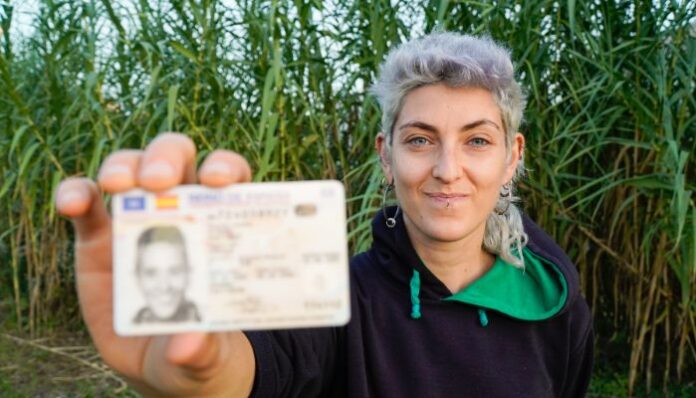
The rate at which ID scanning technology is developing and expanding is huge. Almost every industry now uses some sort of ID scanning to enhance security, customer service, and efficiency. In this article, we’ll talk about how it works and why it’s become essential for many industries in modern society.
What Is ID Scanning?
ID scanning uses technology to verify information on an ID document, like a driver’s license, passport, or national identity card. It’s used in a range of industries, including:
- Aviation
- Banking and financial services
- Entertainment (iGaming)
- E-commerce
- Health
An ID is scanned to extract and verify data to check someone’s identity. The user may be opening a bank account, making a significant transaction or purchase, or wanting to use an online casino. This process is quick, and technology now makes it accurate and secure.
Why is ID Scanning so Widely Used?
ID scanning is widely used for several reasons, primarily for security, compliance, and efficiency. Here are the main reasons businesses and institutions rely on it:
1. Age Verification & Compliance
- Many businesses, especially liquor stores, bars, dispensaries, and casinos, need to verify a customer’s age to comply with legal requirements.
- It helps prevent underage sales and protects businesses from fines or legal action.
2. Fraud Prevention & Identity Verification
- Scanning IDs helps detect fake or altered documents.
- Financial institutions, car rental services, and ticketed events use it to confirm a person’s identity and reduce fraud.
3. Access Control & Security
- Office buildings, government facilities, and private clubs use ID scans for controlled entry.
- It ensures that only authorized individuals enter restricted areas.
4. Customer & Visitor Tracking
- Businesses use ID scanners to keep a record of visitors, especially in places like gun ranges, cannabis dispensaries, and event venues.
- Some loyalty programs or memberships use ID scanning for quicker check-ins and tracking of customer activity.
5. Law Enforcement & Investigations
- Police use ID scanners during traffic stops to access an individual’s records quickly.
- Casinos and specific venues share banned patron lists to prevent known troublemakers from entering.
6. Streamlining Processes & Reducing Errors
- ID scanning reduces human errors when entering personal data.
- Hospitals, rental services, and financial institutions use it to input customer information quickly.
It has become common because it enhances security, ensures compliance with regulations, and improves operational efficiency. However, privacy concerns exist, especially regarding how businesses store and use the scanned data.
The Key Benefits of ID Scanning
ID documents have long been used to verify people’s identities, for example, when opening bank accounts or applying for loans. However, now that many of these activities are available online, scanning and verifying ID has also switched to online, which is how ID scanners have come about.
Being online isn’t the only benefit. Online ID scanning is quicker and more accurate for all industries required to verify ID (travel, retail, finance, healthcare). The technology in place is always improving, and with programs built with machine learning (ML), they’re also improving in accuracy. Ultimately, these scanners have become the best way to check documents because they’re better at detecting fraud and forgery. For customers, speed and security are the two key benefits. For instance, there’s no need to visit a branch in person to get a load.
Endnote
These days, there are growing concerns around fraud and data protection, and ID scanning goes a long way to address these issues. Ultimately, ID scanning has become a crucial tool for modern, digitized societies. As technology continues to advance, it is expected to expand further and become even more commonplace, thus improving the security of processes across all sectors and industries.
Feature image from Canva.



















ID scanning has definitely become much more common over the last few years, especially as more services move online and businesses try to balance convenience with security. A lot of people probably notice it most at airports, banks, casinos, or delivery services, but the technology is now being used almost everywhere for verification and fraud prevention.
The convenience factor is a big reason for its growth too. Instead of manually entering information or visiting locations in person, businesses can verify identities much faster and with fewer errors. At the same time, improved fraud detection has become increasingly important because fake documents and identity theft are much more sophisticated now.
I also think the privacy concerns mentioned here are valid because while ID scanning improves security, many users still don’t fully understand how their personal data is stored, shared, or protected after being scanned.
I’ve been reading more discussions recently around digital identity systems, online verification, and cybersecurity practices here as well: https://8171web-portals.pk/
As digital services continue expanding, ID verification technology will probably become even more integrated into everyday life across different industries.