
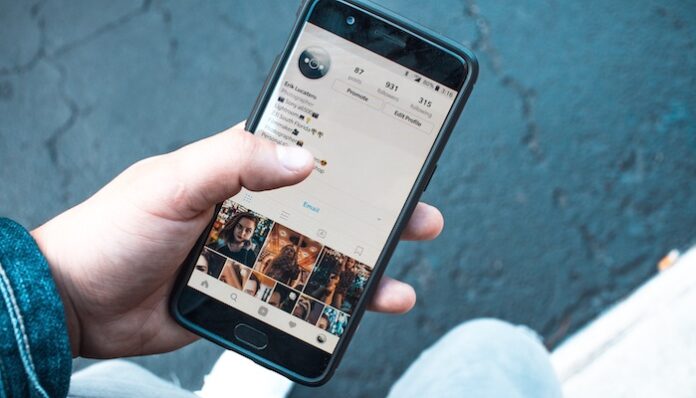
Have you ever felt the need to have something unique (aka niche) about yourself, something that makes you stand out from everyone else?
On social media today, there is a growing trend around being “niche.” The more specific and unusual your hobbies are, the more interesting you seem as a person. In other words, people are slowly moving away from common interests and leaning into more rare ones. But how did this trend actually appear – and is there a downside to constantly trying to be different?
How Social Media Redefined “Interesting”
Over the past few years, platforms like TikTok and Instagram have completely changed what people consider interesting and how they present themselves. Right now, algorithms tend to reward specificity. It’s no longer enough to simply say you like reading. It becomes more interesting if you say you only read classical literature or authors like Franz Kafka. The same applies to everyday things. Being a coffee lover is no longer just about liking coffee, but about preferring something more “mysterious” or niche, like espresso instead of a basic latte.
This shift has turned identity into something more detailed. The smaller and more specific your niche, the more attention it tends to attract.
The Positive Side of Niche Culture
This trend is not entirely negative. One of the biggest advantages is the growth of small communities. People with very specific interests can now find each other more easily, forming fandoms and spaces that feel genuinely personal.
It also encourages people to explore their interests more deeply. Instead of staying on the surface, many begin to engage more seriously with what they like, sometimes even stepping outside of their comfort zones. In that sense, niche culture can push people toward growth and discovery.
Niche culture also normalizes self-expression. Things that society used to see as strange or too specific now make someone stand out in a positive way.
When Uniqueness Becomes Performance
However, there is another side to this trend. What happens if people don’t consider your interests “niche enough”? For example, maybe you genuinely enjoy reading young adult fantasy, something widely popular and not particularly rare. Does that make you less interesting? Should you start presenting yourself differently just to appear more unique?
This is where the problem begins. When uniqueness becomes an expectation, it can easily turn into performance. Instead of choosing hobbies based on real interest, people may start choosing them based on how they look to others.
At that point, being “niche” stops being authentic and becomes a way to build an image rather than express who you are.
The Hidden Pressure of Standing Out
This trend has also created a subtle form of pressure, when people may feel like they are not interesting enough if they do not have a highly specific or unusual identity to present. Simple, common interests – the ones that are often the most genuine – can begin to feel less valuable.
So, What Actually Makes Someone Interesting?
On the one hand, niche culture helps people find communities, explore new ideas and express themselves more freely. On the other hand, it turns individuality into something performative. So, the actual question we should ask is not how unique our interests are, but how genuinely we engage with them. In the end, what makes someone interesting is not how rare their hobbies look online, but how real they are.
Image by Erik Lucatero from Pixabay



















I swear half of this hobby is saving ideas instead of actually making them.
Every time I see something interesting, I think “yeah, I could totally make that with a laser cutter someday” — and then another folder of inspiration gets added to the desktop.
Yesterday I was browsing through some svg laser cut files here https://lasersvgtemplates.com/ and realized I probably already have enough saved projects for the next two years.
Curious if other people do the same or if you actually finish projects as fast as you plan them
It’s interesting how the pressure to be “niche” often shifts people away from simply being authentic and present in what they enjoy. Sometimes the most meaningful identity comes from depth of interest, not how unusual it appears to others. Even in structured systems like Public Case Information, what matters most is clarity and real context, not performance. Maybe the same idea applies here too—genuineness will always feel more lasting than trying to fit a trend.
This idea of “being niche” really shows how identity is becoming more curated and performance-driven online. Even everyday interests now feel like they need extra framing to stand out or gain attention. In some cases, even background information people look up through public court records using anchor text public court records can shape how identity is perceived in a broader sense. It raises interesting questions about how much of ourselves is authentic versus adapted for visibility. Ultimately, it feels like balance between genuine interest and digital presentation is becoming harder to maintain.