
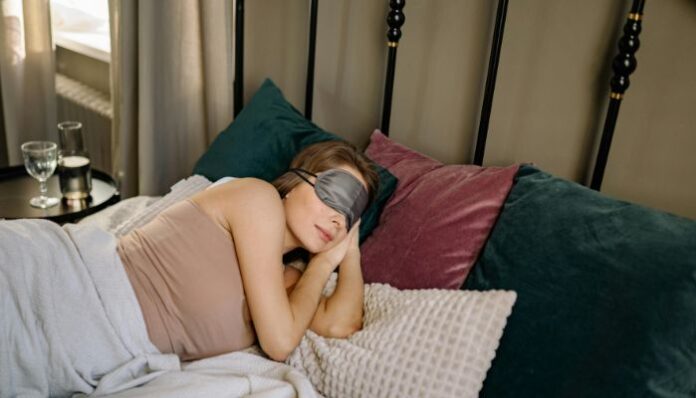
For many people, sleep can feel like a mystery. You might find yourself wondering why you are not getting as much as you could. However, it can be a lot simpler than you might think. Sleep is one of the most essential yet neglected pillars of human health. In a culture that glorifies productivity and celebrates late nights, rest often becomes an afterthought rather than a priority. Yet when sleep falters, everything else begins to suffer – our mood, concentration, physical wellbeing, and even our relationships. If you’re struggling to get enough sleep, the cause is rarely singular.
The Hidden Cost of Modern Living
One of the most common reasons people fail to get enough sleep is the pace of modern life. Packed schedules, professional demands, and social obligations frequently stretch into late evenings, leaving little room for adequate rest. Work no longer ends at the office door; emails, notifications, and digital responsibilities follow us home, blurring the boundaries between productivity and downtime. This perpetual state of engagement keeps the mind alert when it should be winding down. Even when exhaustion sets in, mental overstimulation can prevent the body from transitioning into sleep. Over time, this imbalance creates a cycle of fatigue and stress that becomes increasingly difficult to break.
The Influence of Technology
Artificial light, particularly from screens, has profoundly altered human sleep patterns. Smartphones, tablets, and laptops emit blue light that interferes with the production of melatonin, the hormone that regulates sleep. When melatonin levels are suppressed, the brain interprets the environment as daytime, delaying the natural onset of sleep. Scrolling through social media or watching videos late at night also keeps the mind active and engaged, making it harder to relax. What begins as a quick check often turns into an hour or more of stimulation, pushing bedtime later and reducing overall sleep duration. The convenience of technology, while beneficial in many aspects of life, has inadvertently become one of the greatest obstacles to consistent, quality rest.
Stress and Anxiety
Emotional well-being plays a critical role in sleep. Stress, anxiety, and overthinking can prevent the mind from settling, even when the body is physically tired. Racing thoughts, persistent worries, and the anticipation of upcoming responsibilities often manifest most strongly at night, when distractions fade, and silence amplifies internal dialogue. This phenomenon, sometimes referred to as “revenge bedtime procrastination,” occurs when individuals delay sleep to reclaim personal time lost to work or obligations. Ironically, this coping mechanism worsens fatigue, contributing to heightened stress and decreased resilience the following day. This can be aided by CBD sleep gummies, meditation, or deep breathing exercises.
Lifestyle and Dietary Factors
What you consume directly impacts sleep. Caffeine, found in coffee, tea, chocolate, and many soft drinks, can remain in the system for up to eight hours. Even an afternoon cup may interfere with the ability to fall asleep later that night. Alcohol, while often perceived as a sleep aid, disrupts the natural sleep cycle. It may initially induce drowsiness, but it fragments sleep, leading to frequent awakenings and reduced time spent in restorative deep and REM sleep.
Feature image from Pexels.



















Modern lifestyle really does seem to be taking a toll on sleep quality, and this article captures that reality well. The constant exposure to screens, irregular schedules, and chronic stress can easily disrupt our natural sleep–wake cycles, which then feeds into issues like fatigue, irritability, and mood instability. As research shows, sleep and mental health are closely linked, and poor sleep can significantly worsen anxiety and emotional balance. I also appreciate how important it is to connect sleep problems with anxiety specifically. Resources like https://arcaraaccess.com/symptoms/anxiety-and-mood-swings/ help highlight how anxiety and mood swings often go hand in hand with disrupted sleep patterns, creating a cycle that’s hard to break without addressing both lifestyle habits and mental health.
This article feels very relatable because modern routines really do make it harder to get proper rest. I noticed that late screen time and constant background noise were affecting my sleep more than I realized. I eventually started using sleep earbuds at night after finding them on a website, and they actually helped me relax and fall asleep faster. Small habits and a calmer environment can make a huge difference in sleep quality.