
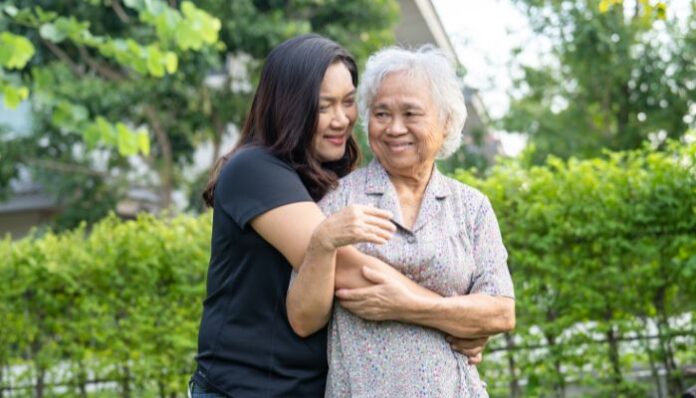
We talk a lot about the invisible labor women take on—juggling full-time jobs, raising children, managing households, and maintaining relationships. But there’s one area we don’t talk about enough: the emotional, logistical, and often heartbreaking responsibility of caring for aging parents.
It’s a burden many women carry silently, not because they’re the only ones who care, but because they’re expected to.
Caregiving Is Still a “Woman’s Role”
Even in 2025, the caregiving default often falls to daughters, daughters-in-law, or female grandchildren. When an elderly parent starts forgetting things or can no longer live alone safely, it’s the women in the family who research care homes, schedule medical appointments, and manage prescription refills.
This isn’t just anecdotal. According to AARP, 61% of family caregivers are women—and many of them also work full-time jobs or care for children at the same time. It’s a triple shift, and it’s exhausting.
The Emotional Load No One Warns You About
What makes caregiving uniquely taxing is the emotional weight. You’re not just running errands or paying bills—you’re navigating the slow, painful decline of someone you love. You’re watching the person who once raised you slowly become someone you barely recognize.
And because society sees caregiving as a “natural” role for women, the support systems just aren’t there. There’s little paid leave, limited financial assistance, and very few workplace accommodations. Meanwhile, male relatives are often praised for “helping out,” even if they only do a fraction of what you do every day.
When Even the Professionals Fail You
Putting a parent or grandparent into a nursing home is one of the hardest decisions a woman can make. We agonize over choosing the right facility. We tour buildings, read reviews, ask uncomfortable questions. We second-guess ourselves constantly. And yet, even with the best research and intentions, things can still go wrong.
Some women have faced horrifying situations where a loved one wandered out of a care facility due to neglect—a situation known as “elopement” in the elder care world. When that happens, families are often forced to speak with a nursing home elopement lawyer just to get accountability and ensure the same thing doesn’t happen to someone else.
These are the moments no one prepares us for. The moments that break your heart and your trust—and reinforce just how heavy this so-called “natural” role can be.
We Deserve Better
Caring for the people who once cared for us shouldn’t be something women are quietly expected to absorb. It should be supported with better policies, better pay, and better awareness of the toll it takes.
Because the truth is, we’re not superheroes. We’re human. And we’re tired.
Feature image from Canva.



















Such a fascinating article on a lovely day like today; thank you for your efforts in creating such a beneficial article.