What does it really mean to lead in healthcare?
Not from behind a desk, but in the middle of it all—where people are sick, anxious, trying to get answers. Where the work is personal. For years, I worked as a bedside nurse, proud of the care I gave. But slowly, I started to feel like I was reacting more than leading. I was managing symptoms after things had already gone wrong. I began to wonder: what if I could help patients sooner? What if I had the tools to catch the small things before they turned into emergencies?
In this blog, we will share how that question led me to shift from direct care to something broader—and why I chose a path focused on leadership, autonomy, and advanced patient care.
What Pushed Me to Think Bigger
I didn’t start out thinking I’d go beyond traditional nursing. I loved clinical work. I loved working with patients one-on-one. But over time, I saw too many missed chances. I watched patients cycle in and out of the hospital for things that could’ve been managed better in primary care.
Then came the bigger picture. The pandemic pushed healthcare systems to the edge. Nurses became the glue that held it all together. But we were also burned out, overwhelmed, and under-resourced. I started thinking less about tasks and more about systems. I didn’t just want to treat illness. I wanted to lead care that prevented it.
That shift in mindset brought me to an FNP online program that allowed me to keep working while learning to step into a more advanced role. It wasn’t just about earning new credentials. It was about changing the way I thought about health—moving from bedside care to long-term patient outcomes, chronic disease management, and accessible primary care.
How Leadership Looks Different in Primary Care
Leadership in nursing isn’t always loud. It’s not always about titles. It’s about knowing when to speak up and when to listen. It’s about making clinical decisions that ripple through a patient’s life—not just their chart.
As a future Family Nurse Practitioner, I’ve started to see how much impact we can have outside the hospital walls. We’re positioned to catch early signs, educate families, guide patients through difficult choices, and help underserved communities gain access to care they often miss. That’s leadership too.
In primary care, the focus shifts from fixing problems to building health. You’re not just treating blood pressure. You’re asking what’s behind it. You’re learning about their work stress, their diet, their access to medication. That deeper connection is what I was missing before.
Why This Path Felt Right
I didn’t choose the FNP path because I wanted more authority. I chose it because I wanted more responsibility—the kind that comes with listening deeply and acting early.
In this role, you’re not just handing out instructions. You’re educating. You’re adjusting treatment plans based on real-life constraints. You’re seeing the whole person, not just the diagnosis. That’s the kind of care I always wanted to give.
Yes, the learning curve is steep. There are late nights, complex coursework, and clinical hours that stretch your limits. But every moment has reinforced one thing for me: I’m finally working toward the kind of impact I used to only imagine.
The Bigger Picture
This shift in my career isn’t just about me. It reflects something broader happening in healthcare. Nurses are stepping into advanced roles because they see what’s missing—and they’re ready to fill that gap. FNPs are part of the answer to overloaded systems, physician shortages, and gaps in community health.
For me, this is where nursing and leadership meet. It’s not about stepping away from patient care. It’s about stepping into it more fully—with the knowledge, tools, and trust to lead from within.
And honestly? I wouldn’t want to be anywhere else.
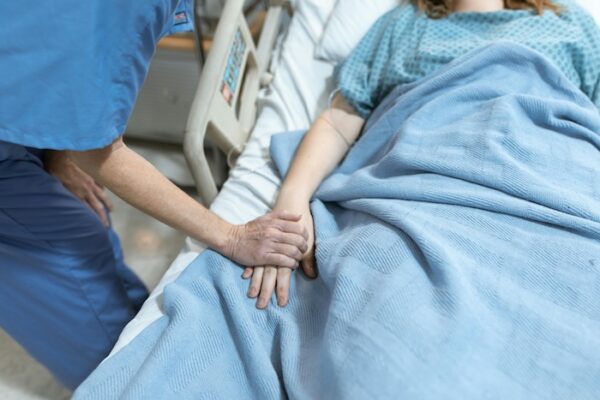
Photo by RDNE Stock project: https://www.pexels.com/photo/person-in-blue-scrub-suit-holding-the-hand-of-a-patient-6129685/