

Let’s be real for a minute—pregnancy is often described as magical, but it’s also an intense physical marathon! As I transitioned into my second trimester, I found myself constantly battling fatigue, and my back and hips were screaming from the extra load. My posture felt totally shot, and even simple movements around the house became a struggle. That’s when I found my secret weapon: the pregnancy belly band. Learning how to wear this correctly was truly a game-changer for my comfort, support, and surprisingly, even my energy levels. It’s been my little secret to relieving that awful lower backache, managing the intense pressure on my pelvis, and generally just feeling like a functioning human again.
More Than a Brace: What I Learned the Band Is For
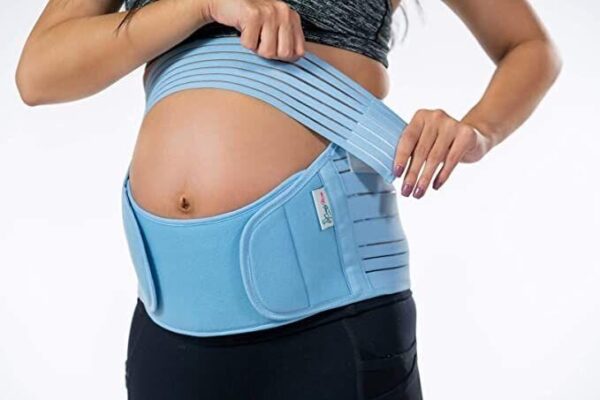
When my doctor first suggested a “maternity support band,” I pictured something bulky and medical—like a stiff corset! I was happily proven wrong. A good belly band is actually a soft, flexible, adjustable wrap explicitly designed for your lower tummy and back. It’s an assist tool, not a brace meant to immobilize you.
I use mine primarily to:
- Alleviate that deep, local ache in my lower back and hip area.
- Gently lift the belly and firmly support the sacrum area.
- Enhance my body posture and overall coordination.
- Allow me to comfortably perform light physical activities, like walking or household chores, without feeling totally wiped out.
When to Start and Why I Didn’t Wait
I started wearing mine firmly in my second trimester, which is the typical sweet spot when the bump begins to exert maximum strain on the spine and hips. If you are expecting multiples, have pre-existing back problems, or your job requires you to be on your feet a lot, you might need it even sooner. The right time is when your daily activities become noticeably uncomfortable or strenuous—listen to your body’s pressure signals.
The Perfect Positioning Puzzle
Getting the band positioned correctly is essential; if it’s too high, it feels restrictive, and if it’s too low, it offers no support at all. Here is the trick I use for achieving the perfect alignment every time:
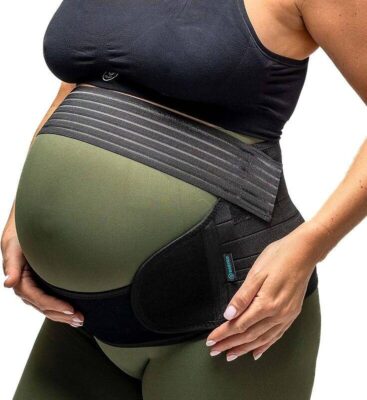
- Aim Low: The band must cradle the very bottom of the bump—it should lift gently, not cut across the middle.
- Wrap Around: Secure it around the hips and lower back. This is critical for spreading the baby’s weight evenly across your core.
- Find the Hug: Tighten the closures until you feel a firm, yet gentle, ‘hug’—it’s supportive, but it must never, ever dig into your skin.
Over or Under: The Great Clothing Debate
Should the band go directly onto the skin or over your clothes? Both ways work, but they have different advantages:
- Over a thin undershirt (My Preference): This results in less skin irritation, keeps the band cleaner, and allows for comfortable longer periods of wear.
- Under clothing: This provides a more discreet appearance under fitted clothes, but requires much more frequent washing due to sweat and body oils.
The ‘Not Too Tight’ Rule
Remember this golden rule: your band should provide support, not restriction. If it feels anything like a corset, it is definitely too tight! The correct fit softly supports the belly, allowing completely normal breathing and movement. If the band causes red marks, numbness, or breathing discomfort, loosen it immediately. Since our bodies are constantly changing, I strongly recommend choosing an adjustable band.
Strategic Support and Usage Limits
I never wear the band all day long. I use it strategically for activities that strain me the most, specifically when:
- Walking or light exercising: Easing pressure on joints.
- Standing for long periods: Providing essential back and hip support.
- Performing household chores: Helping maintain correct posture.
Specialists advise limiting use to 2–3 hours at a time, with a maximum of 6–8 hours per day. Taking regular breaks is vital because it ensures your core muscles remain engaged and prevents over-reliance on the band, which can lead to muscle weakening over the long run.
When to Take It Off: Listening to Your Body
Always listen to your body—it gives you all the signals you need! Indications that the band is too tight or worn improperly include:
- Shortness of breath or limited mobility.
- Skin irritation or rubbing around the area.
- Numbness or tingling under the band.
If you experience any of these, stop, loosen it, and rest. While the band is an effective tool up until delivery, remember that it is not a substitute for getting adequate rest, doing gentle core exercises, or seeking professional medical advice for any severe pain. This simple tool has truly been a wonderful addition to my overall pregnancy well-being.
Feature image from Canva.


















This is truly a godsend, sure to improve your well-being and daily routine. When preparing for a newborn, choosing the right baby essentials can make daily routines much easier. Focus on items that are safe, easy to clean, and suitable for your baby’s age. Quality basics like soft clothing, gentle skincare, and safe sleep products are worth the investment. Parents often underestimate how quickly babies grow, so versatility matters.