
Aging intimidates even the bravest with its promise of wrinkles, chronic illnesses, and loneliness. While anti-aging supplements are a huge market, many older adults are living this reality right now, with little support from their loved ones. At the core of many mental health issues faced by this group is loneliness and social isolation.
A 2025 study in Humanities and Social Sciences Communications reports that over 30 percent of older adults in North America experience loneliness. The rate exceeds 50% among those living in institutions.
The good news is that simple acts of kindness, such as a gentle nudge of companionship, can make a huge difference in the situation. Here are three practical ways to help loved ones out—they are straightforward and don’t demand much, making them easily achievable.
1. A Phone Call Can Achieve a Lot
Chronic health problems can restrict mobility in older adults, isolating them from their usual social circles. If they live in a care facility, some may still manage to build new connections with fellow residents and caregivers. Even so, hearing from family and old friends, even by phone, can greatly boost their mental well-being.
Connectedness can even offer therapeutic benefits for those with mood disorders. However, as a family member, you should try to understand what’s troubling them so you can adjust your responses accordingly.
For example, when comparing senior depression vs. dementia, aging adults with either condition may behave very differently. A grandparent with depression may feel prolonged despair and emptiness but still recognize that something is wrong with them. In contrast, if a loved one has dementia, they may lack self-awareness and experience cognitive decline.
Understanding the specific mental health condition of your family member will help you plan regular phone calls and messages to stay in touch with them. If nothing else, it will communicate that you are around. That you care.
2. Share Your Love for Physical Activity
Our society has long maintained that physical activity can significantly improve mental health. Scientists agree, stating data-driven results that validate this belief. Verywell Mind notes that the connection stems from the interaction between estrogen and dopamine, hormones linked to motivation and reward. This knowledge can bring hope and optimism to both you and your loved ones.
When you consistently follow an exercise routine, you can notice improvements in cognitive and executive functions. It can also alleviate stress and some symptoms of depression and anxiety.
Gen Z understands the importance of exercise. Why not share some of these benefits with older family members by encouraging them to be more physically active?
According to McKinsey’s 2025 Future of Wellness research, 30% of Gen Zers and millennials prioritize wellness much more than earlier generations. They achieve this through exercise and a balanced approach to nutrition. Your enthusiasm could rub off on a senior family member if you take them along for an occasional walk, a gentle yoga session, or a visit to a local swimming pool.
Try to schedule a few times each month to participate in physical activities, such as visiting a park, strolling along the riverfront, or enjoying fresh air in a community garden.
3. Assist With Simple Life Chores and Errands
Mental health challenges can complicate the simplest of tasks, especially for those already dealing with chronic physical conditions. Depression among older adults can make it hard for them to stick to a routine.
In severe cases, they may lack the motivation to brush their teeth or eat their meals. The National Institute on Aging explains that adults with depression may eat less or more than usual, which can lead to weight issues. Poor mental health can also make it difficult to run errands, such as buying groceries or attending doctor’s appointments.
You can support your family members by doing tasks that make their day easier. For example, visit them at home with a bag of groceries every two weeks. Include some of their favorite treats. You could also accompany them for routine checkups or offer to drive them, which would also reduce the risk of falls.
Caring for older loved ones with mental health challenges requires concerted efforts from the extended family. The tasks listed are straightforward and require minimal time and effort. They are also straightforward enough to include in busy schedules, whether academic or professional.
It can be challenging to envision the limitations of aging when we are young, both in spirit and in years. But since growing older is inevitable, let’s do what we can to make it easier for those we love.
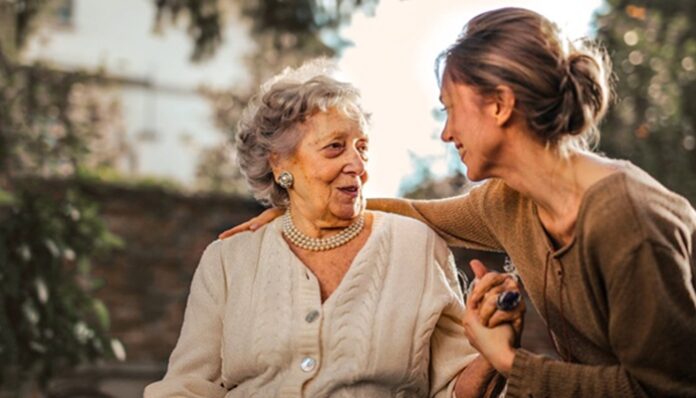
Featured image via Andrea Piacquadio on Pexels



















Small gestures like a regular phone call or helping with errands can really reduce loneliness and improve mental well-being for older loved ones. For those who notice persistent mood changes or mental health struggles, it may also help to reach out to a Psychiatric Nurse Practitioner in Boston MA – professional support can make a big difference in ensuring their needs are fully understood and addressed.
This post highlights very real challenges older family members face, especially when loneliness and financial stress affect their mental health. Along with regular check-ins and help with daily chores, making sure basic needs are covered can bring a lot of peace of mind. In Punjab, Pakistan, families often search for guidance on CM punjab ration card apply so elderly relatives can receive subsidized food support and feel more secure in their daily lives. When emotional care is combined with practical assistance like this, it can make aging a little easier and more dignified.
Bra poänger om äldres psykiska hälsa. Ett område som ofta förbisess men som starkt påverkar självkänslan och välbefinnandet är den sexuella hälsan. För många äldre män kan erektil dysfunktion vara en källa till oro och minskat livsmod. Som anhörig kan man stödja genom att skapa en öppen atmosfär och visa att det är ett vanligt, ofta medicinskt betingat tillstånd som man kan få hjälp för. Att ta itu med det kan vara ett viktigt steg för att bevara livskvaliteten.
Bra poänger om äldres psykiska hälsa. Ett område som ofta förbisess men som starkt påverkar självkänslan och välbefinnandet är den sexuella hälsan. För många äldre män kan erektil dysfunktion vara en källa till oro och minskat livsmod. Som anhörig kan man stödja genom att skapa en öppen atmosfär och visa att det är ett vanligt, ofta medicinskt betingat tillstånd som man kan få hjälp för. Att ta itu med det kan vara ett viktigt steg för att bevara livskvaliteten.