
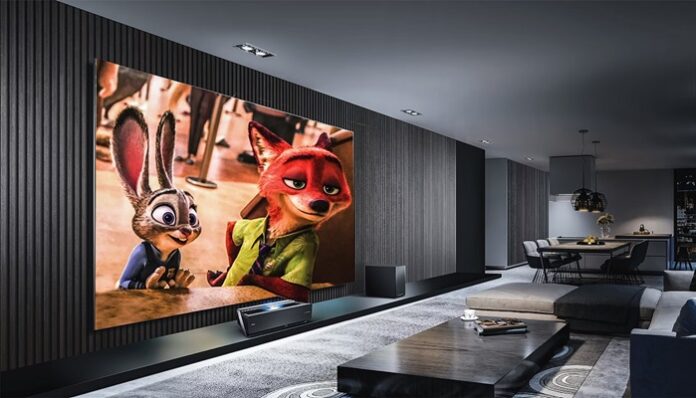
If you’ve been on TikTok lately, you’ve probably seen videos about the government trying to defund the Public Broadcasting Service (more commonly known as PBS). It’s created a lot of panic (especially around shows like “Sesame Street”), with people claiming Big Bird and Elmo are getting evicted. But the situation is more complex than what’s being shared in a 30-second clip.
While “Sesame Street” may just be a show for some, it’s extremely important to my family. My older brother is autistic, and he grew up on the show. It’s part of who he is. Because of that, I’m fiercely protective of our street and its memories. So when I saw people claiming it was being taken away, I raised an eyebrow and did my research.
Let’s break it down.
Recently, a new bill was signed that could reduce federal funding to PBS. While this doesn’t immediately mean PBS will go away, or your favorite childhood shows will disappear, it does mean access to them could become limited. This could reduce the quality and quantity of children’s educational programming, especially for families that rely on free, over-the-air television.
PBS has been a cherished part of countless homes for decades. It’s where many of us first learned how to count, treat others with kindness, or even speak up for ourselves—all through the magic of children’s programming.
So, what’s going on with the Street?
First things first: “Sesame Street” is not going anywhere. It’s still our street. The air is still sweet. And the characters you grew up with are still there. The Sesame Workshop, a nonprofit organization that operates independently, produces the show. While some episodes air on PBS, PBS doesn’t own the show, nor does it solely run “Sesame Street” in any way. Elmo and Big Bird have not been evicted—and if anything ever did threaten them, it wouldn’t happen without a fight.
But here’s what is at risk: PBS itself. And that’s a much bigger deal than people realize. The potential loss of PBS is a cause for concern that we should all take seriously.
PBS was—and still is—a lifeline for so many families. It’s where shows like “Reading Rainbow,” “The Big Comfy Couch,” “Mr. Rogers’ Neighborhood,” “Arthur,” “Cyberchase,” and “Dragon Tales” lived. These shows weren’t just entertainment—they were gentle, accessible tools that taught us essential life lessons. They taught us about empathy, inclusion, friendship, curiosity, and kindness. Most of all, they taught us how to be decent humans.
If PBS becomes harder to access, we’re taking away more than cartoons. We’re taking away education, inclusion, representation, and the kind of gentle storytelling the world desperately needs more of.
Today’s media landscape is overloaded with loud, overstimulating content. PBS provided (and still provides) a calm, thoughtful space for kids to learn and grow. Many of the shows, like “Arthur,” are still available through PBS Kids’ streaming platform, and some of them are even doing cool things like adding ASL interpreters on screen during episodes to include Deaf and hard-of-hearing kids—that kind of innovation and inclusivity matters.
I was one of those kids who came home from school, threw my backpack down, and turned on PBS.
I didn’t have cable, but I had “Arthur,” “Cyberchase,” and “Zoom.” Even now, I’ll throw on an episode of Arthur in the background— it’s comforting and still holds up today.
These shows have always focused on values that don’t go out of style. Taking away PBS isn’t just about losing a channel—it’s about losing access to stories that reflect equity, compassion, and understanding. Shows like “Sesame Street” have always led the charge on that, introducing autistic characters, showcasing blended families, and talking openly about emotions and identity. These aren’t just TV shows–they’re tools and lifelines.
And that’s the real danger.PBS might still exist if federal funding is cut or limited, but access to it might not. Streaming services require subscriptions, but not every home can access tablets and smart TVs. Not everyone has Wi-Fi. Taking away PBS means we remove access to shows that teach kindness, acceptance, and emotional intelligence. And that just makes things harder for families with fewer resources.
While TikTok may dramatize what’s happening, they’re not entirely wrong to be concerned.
Taking away a service like PBS is taking away accessibility and equity. This removes the idea that every child deserves to learn and dream, regardless of their zip code.
So now that you’re more aware of the situation, what can you do to help?
We can start by spreading correct information. Don’t panic- share misinformation—share facts. Contact your representatives. Support public broadcasting however you can. And keep reminding people why PBS matters, because it does.
And for all the kids out there who still deserve to learn their ABCs with Elmo, see themselves represented on screen, or watch shows that speak to them with empathy and care, this is worth fighting for.
For all the kids who grew up on the Street—and all the kids who still need it—let’s fight for PBS.
Featured image via Chauhan Moniz on Unsplash














a lot of things are you taking away from all of us literally everything it’s almost like you know me with the words that you just wrote on this fake page. I appreciate it and I don’t want to deal with it I just fine perfectly fine I think no worry about it no but really I mean thank you but I really didn’t want to see that
It’s crucial to support and protect such institutions that prioritize quality and accessibility over profit Geometry Dash. Let’s continue to advocate for PBS and ensure it remains a valuable resource for all.