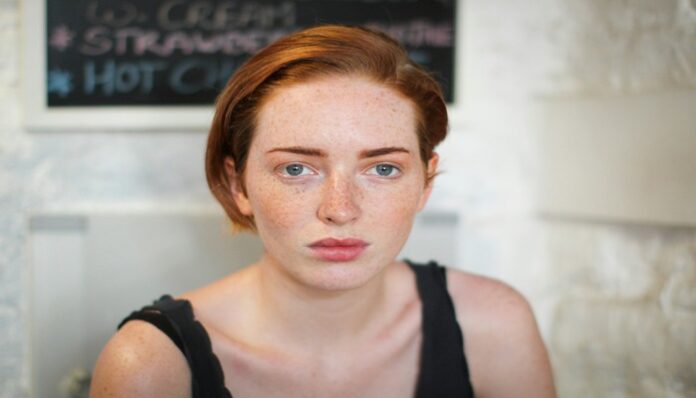
Over the centuries, makeup and fashion have evolved to reflect changing times. Beauty and fashion are key ways to creatively express identities, cultures, and even resistance. In the modern world, distinct makeup and fashion styles have become “aesthetics.” Aesthetics are specific styles with their own distinct “vibes,” like goth, vintage, and Y2K. But right now, society favors a minimal, modest look: the “clean” aesthetic.
A person with the “clean” aesthetic wears modest, simple, or “classy” clothing, sleek hairstyles, dainty jewelry, and little to no makeup. However, society’s “clean look” fixation points to a deeper, problematic message: the rise of conservatism.
The “Clean Girl” Look
While the 2020s have brought the largest array of fashion and makeup styles yet, the rise of conservative culture limits the ways in which people confidently express themselves. For instance, conservatism centers on purity culture, which emphasizes that sexual abstinence and modesty define our worth. This ideology primarily affects women.
Our patriarchal society allows men — particularly conservative men — to shame “immodest” women. People assume that how a woman dresses reflects how “pure” she is, subjecting women whose fashion reflects their sexuality to slut-shaming. Therefore, many women internalize shame about their style.
Many women wear makeup, but those who wear bold, heavy makeup still face others’ judgement because their makeup doesn’t look “natural.” In contrast, society doesn’t criticize soft glam and “natural” makeup.
To avoid judgment, some women may feel pressure to adopt the popular “clean girl” aesthetic. However, other women use bold makeup and fashion choices to reject conservative values.
On TikTok, “men-repellent makeup” is trending. The trend involves women giving makeup tutorials for bold, dark, or colorful makeup looks, from bleached eyebrows to dark waterlines. The stylish looks are meant to be “unattractive” to conservative men, thus shutting down their romantic advances.
While this trend centers on makeup tutorials that poke fun at misogynistic men, it’s also a statement against conservative culture. Women strive to express themselves, no matter what men deem as “desirable.”
The Power of Cultural Expression
The rise of conservatism has also caused people to police the ways that others express their cultures. For instance, many Black Americans face judgment for their fashion choices.
For centuries, Black Americans have worn and popularized hoop earrings, grills, long nails, baggy clothes, and braided hairstyles. However, society often deems this cultural style “ghetto,” especially when Black women wear it.
Conservatism places harmful stereotypes on Black Americans who dress outside of the “classy,” “clean” look that the movement popularized. In the workplace, employers tell many Black Americans to cover up or change their hairstyles because White supervisors wrongly consider Black cultural styles “unprofessional.”
The quarter-zip TikTok trend exemplifies conservative culture’s growing grasp on society. Young Black men now wear quarter-zips in an effort to show their “classiness” and step away from aesthetics and lifestyles that society deems “ghetto” or “violent.”
Black people aren’t a monolith, and being Black and genuinely liking quarter-zips is completely fine. But the quarter-zip TikTok trend boils down to respectability politics. Many Black men now feel the need to adopt racist conservative views to gain their White peers’ respect and get ahead in life.
The comment sections on these “quarter-zip” videos are full of people congratulating these Black men on changing their “aggressive” ways and choosing a life of “classiness” and “success.” Others say how “friendly” these men look in their quarter-zips.
This language reflects the majority’s need to make Blackness more palatable to White people. Conservatives often believe that Black people can only succeed when they adopt an “acceptable” means of self-expression. Comments like these often make Black people feel like they can’t wear cultural fashion without judgement.
Ultimately, society’s adoption of conservative values shows in our current fashion and makeup trends. Instead of praising only “clean” makeup and fashion looks, we should celebrate the diverse ways that people incorporate their cultures into their clothes, hair, and makeup. Only then can we combat harmful narratives around “classiness” and move towards a truly progressive society.
Featured Photo by Raj Rana on Unsplash.