
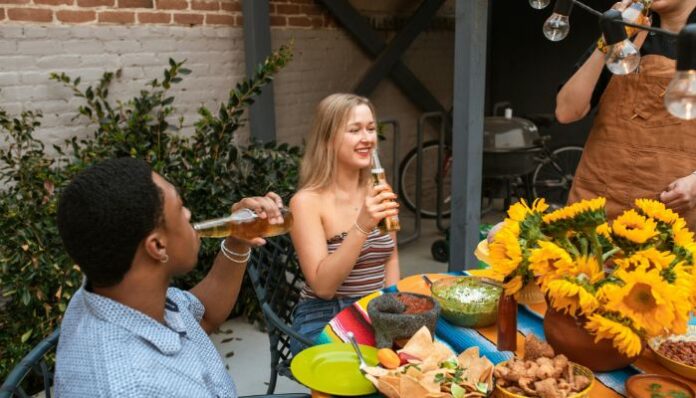
I’ve noticed that a lot of outdoor hosting spaces look great in photos but feel different once people actually try to use them. A patio might be perfect in late spring, then suddenly feel way too hot in the middle of summer. I’ve also had fall dinners cut short because of wind, and winter gatherings drift indoors since no one really wants to sit out in the cold. From what I’ve experienced, the issue usually isn’t the décor. It comes down to exposure. Sun, moisture, airflow, and even the surface underfoot end up deciding whether the space really works year round.
Reinforcing the Exterior Envelope
From what I’ve seen, year-round comfort really starts with the outside of the house. If the siding lets drafts slip through or the roof doesn’t move water away properly, any patio or covered space connected to it tends to feel the impact. I’ve noticed that moisture can sneak in where a patio roof connects to the house, and wind can find its way through small gaps along the walls. When that happens, the space never feels quite right and repairs start creeping up.
I’ve also seen homeowners build a covered patio first, then realize later that water collects near the attachment point during heavy rain. Fixing those weak spots before adding the outdoor space usually makes a huge difference.
Working with a contractor such as KVN Siding & Roofing Contractor gives me a way to evaluate flashing, drainage paths, and siding condition before adding features like pergolas or outdoor kitchens. Once the exterior structure feels solid, heaters, fans, and furniture finally perform the way they should.
Designing Covered Pergolas with Adjustable Louvers
I’ve always thought standard pergolas look great, but they don’t really solve weather issues on their own. The fixed slats still let strong midday sun pour through in summer, and they don’t help at all if rain starts. I’ve come to appreciate adjustable louver systems much more because they give me actual control over the space.
With louvers that tilt, I can block direct sunlight during a hot afternoon cookout. When the weather cools down, opening them a bit lets natural warmth come through. I imagine hosting a Sunday brunch in late August where the sun usually sends people shifting their chairs every few minutes to avoid the glare. Adjustable louvers change that whole situation. A quick adjustment keeps everyone comfortable, and if a light rain shows up, closing them keeps the table and food dry so the gathering can keep going.
Installing Retractable Screens
Wind and insects often leave patios unused outside peak seasons. Retractable screens offer a solution without permanently closing off the space. During fall, lowering the screens around the perimeter blocks gusts that would send napkins flying across the table. Summer evenings benefit from reduced mosquito activity while fresh air still circulates.
I often imagine an early October dinner where the air feels crisp but still pleasant. Lowered screens soften the chill and help guests stay comfortable longer. Once warmer weather returns, the screens roll back up, and the view opens again. Protection remains available whenever the weather calls for it.
Photo by RDNE Stock project on Pexels.



















Creating a comfortable outdoor space really is about designing an experience, not just a setup. I especially like how you highlighted the importance of blending comfort with functionality – something that’s becoming a huge trend in 2026 outdoor living. Spaces today are meant to feel like an extension of the home, with lounge zones, lighting, and even full outdoor kitchens making them usable year-round. It actually reminds me of events like https://www.exxxoticaexpo.com/ where the whole focus is on immersive, engaging environments that make people feel relaxed and connected. That same idea totally applies to outdoor spaces – when done right, they become places people genuinely want to spend time in.