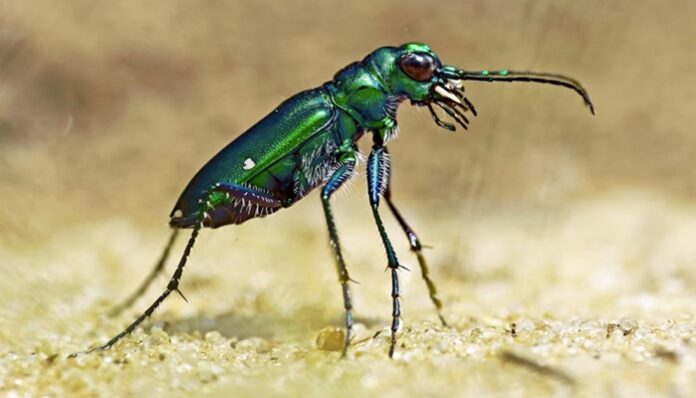
The Metamorphosis tells the story of Gregor Samsa, a man who one day wakes up to find he has transformed into a giant insect. After this shock, he tries to understand what has happened as he adjusts to his new body. He can’t move in the same way he did as a human, and he reflects on his life as a traveling salesman. His family is horrified by his appearance and can’t make sense of it. Prior to his transformation, they depended on his income for financial stability; afterward, as an insect, he relied on them for care and support. He becomes more comfortable with his body, growing more animal-like over time. His family’s disdain and neglect eventually led to his death. He felt unwanted, and his family was relieved when he died, as if the burden of caring for him was finally lifted.
This is the story of The Metamorphosis. But what if it were a psychological horror film? What kind of story would it be?
Fear is etched into the mind, digging up what’s been buried and bringing it to the surface.
Psychological horror is a genre that can be hard to define, but it is mainly characterized by its ability to scare or leave an impact on the viewer without relying on cheap tricks like jump scares, intense action, or unnecessary gore. Instead, it takes a different approach by focusing on the overall feeling it aims to evoke and, most importantly, on mental and psychological methods that continue to affect the viewer even after the story ends.
Unreliable Narrator
Gregor initially had no idea how he had become an insect, but what if he had actually known from the very beginning? What if he wanted to become a monster to escape a job he hates and to no longer take part in a capitalist society?
In a way, Gregor’s transformation symbolizes his emotions becoming physical, fragile, and often misunderstood, haunting him and his family. Viewers form a connection with him out of sympathy, wanting him to be happy, unaware that his transformation was intentional. The only information viewers lack is that he deliberately changed himself, and he acts as if no one knows, but we eventually catch on. We feel sorry for him, but at times our thoughts shift because they seem out of place or not quite what we expected. It starts small, but grows into something more…
Isolation and Alienation
As he gradually descends into madness, we observe his struggle with his transformation and how it affects him, including feelings of paranoia. We experience loneliness with Gregor, seeing into his mind and feelings, and entering his world.
The transformation succeeded, and although there were things he liked, it didn’t turn out as he had hoped. He couldn’t escape himself and had no choice but to accept his discontent. The line between reality and imagination blurred. The internal conflict destroys him, and by the end, Gregor is mentally shattered.
Power and Manipulation
His family begins to resent him and can now openly express it, feeling more in control. They plot against him behind closed doors. The family dynamic shifts as they believe they have more power over Gregor. To them, his only worth was through labor, and as their mental health declines, they plot to kill him.
Gregor senses something is off, but the family acts as if everything is fine, which makes him uneasy. When the neglect and betrayal become overwhelming for Gregor, he dies, unable to handle the truth about his family’s plans. The family feels relieved and celebrates by going on vacation. They get to live happily without Gregor.
The Metamorphosis could make a very captivating psychological horror film and features many elements I’m sure directors would love to explore. Maybe one day this version can develop into something more. What do you think of this twist on the story?
Featured image via Thomas Elliott on Unsplash