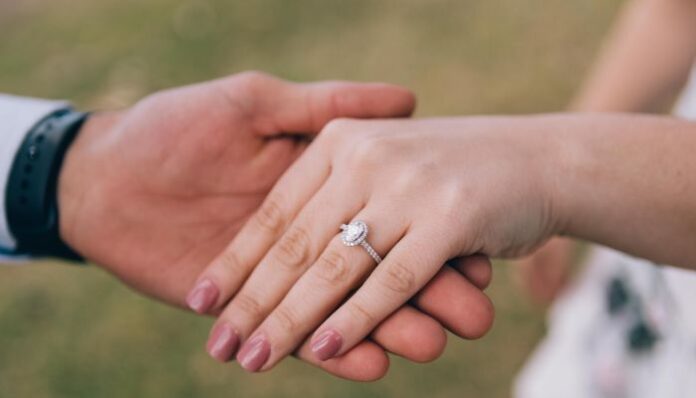
I never thought choosing an engagement ring would take more time than buying a car, but once I started the process, I understood why people agonize over it. This is not just jewelry. It is something worn every single day, captured in countless photos, and eventually passed down. That realization made the decision feel heavier, but also more meaningful.
Instead of letting myself feel overwhelmed, I broke the process down into practical steps. Budget, stone shape, metal, setting, and lifestyle all mattered more than I expected. Looking back, asking the right questions early saved me from second-guessing later.
Setting a Budget I Could Actually Live With
Before I stepped into a jewelry store, I forced myself to decide on a firm budget. In 2024, the average engagement ring cost sits between $2,500 and $5,000, and that range can pull you in different directions very quickly. A larger stone with lower clarity, or a smaller one with excellent cut? A simple setting or something more elaborate?
I learned that once you start trying on rings above your budget, everything else begins to feel like a compromise. Jewelers understand this psychology well. Setting a maximum number ahead of time helped me stay grounded and focus on what actually mattered instead of chasing upgrades I didn’t need.
Choosing a Stone Shape That Felt Right
I originally assumed I would go with a round diamond because it’s the most common choice, and for good reason. Round stones reflect light beautifully and account for a large share of engagement rings today. But once I tried on different shapes, I realized how much shape affects the overall look.
Oval and marquise stones made the finger appear longer, while emerald cuts offered a sleek, understated elegance with their large, flat facets. One thing I didn’t expect was how surface area changes perception. A one-carat oval can look noticeably larger than a one-carat round. That visual difference mattered more to me than the number on the certificate.
Thinking About the Wedding Band Early
One mistake I see people make is choosing an engagement ring without considering how it will pair with a wedding band. I almost did the same. Setting height, stone profile, and band width all influence whether the two rings sit comfortably together.
This became especially important when I started thinking about unique wedding rings rather than a traditional straight band. Some engagement ring settings make it difficult to stack rings cleanly. Lower-profile designs also turned out to be more practical, especially for someone with an active daily routine.
Metal choice played a role here too. Yellow gold has made a strong comeback and now rivals white gold in popularity. Mixing metals can look intentional and modern, but only if planned carefully.
Understanding the 4Cs Without Overpaying
Learning the 4Cs changed how I viewed diamonds entirely. Cut, color, clarity, and carat weight each affect appearance differently, but cut stood out as the most important. A poorly cut diamond can look dull no matter how high the other grades are.
Clarity was another eye-opener. Many diamonds contain internal flaws called inclusions, but stones graded VS2 or SI1 usually look flawless without magnification. Paying for higher clarity often means paying for something you simply cannot see.
Color followed a similar pattern. While D is technically the highest grade, most people cannot tell the difference between D and G unless they’re viewed side by side under controlled lighting. Knowing this helped me reallocate my budget more wisely.
Deciding Between Natural and Lab-Grown
I didn’t realize how common lab-grown diamonds had become until I started researching. Today, they make up a significant portion of engagement ring purchases. The price difference is substantial, and lab-grown stones are chemically and optically identical to natural diamonds.
Resale value was the only real drawback I found, but engagement rings are rarely purchased with resale in mind. For me, the decision came down to values, budget, and what felt right rather than tradition alone.
Choosing the Metal That Fit My Style
Platinum offered durability and hypoallergenic benefits but came at a higher price. White gold required ongoing maintenance through rhodium plating. Yellow gold felt timeless and complemented warmer skin tones, while rose gold added a softer, romantic feel.
Trying different metals in person helped far more than photos ever could.
Involving My Partner
One of the biggest surprises was realizing how common it is for proposees to be involved in the process. Many couples now shop together or share preferences beforehand. Observing existing jewelry choices, metal preferences, and stone shapes made the final decision feel more confident.
Designing an engagement ring taught me patience and intention. Taking the time to understand each element transformed what felt like pressure into a meaningful experience I’ll never forget.
Feature image from Canva.